
- All
- Africa
- Antigua & Barbuda
- Art & Museums
- Aruba
- Bahamas
- Barbados
- Caribbean
- Carnivals & Festivals
- Colonization & Empire
- Cuba
- Curacao
- Dominican Republic
- Education & Scholarship
- Explorers
- Fashion
- Food & Drink
- Guadeloupe
- Guyana
- Haiti
- Jamaica
- Literature
- Martinique
- Migration
- Montserrat
- Music
- Natural Disasters
- Netherlands
- Notable Figures
- Politics & Government
- Portugal
- Puerto Rico
- Region
- Religion & Spirituality
- Saint Kitts & Nevis
- Saint Lucia
- Slavery
- Spain
- Tourism
- Transportation
- Trinidad & Tobago
- Turks & Caicos
- United Kingdom
- US Virgin Islands
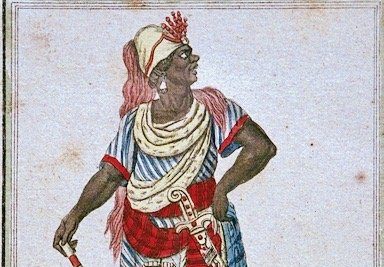
Date: 1526
Location: Kingdom of Kongo (present-day Angola and the Republic of the Congo), Africa
Category: Slavery, Colonization & Empire
In 1526, King Nzinga Mbemba, known as Afonso I of Kongo, wrote urgent letters to King João III of Portugal condemning the kidnapping and sale of free Kongolese people, including nobles, vassals, and members of his own family. He warned that Portuguese traders and local intermediaries were depopulating his kingdom to supply the Transatlantic Slave Trade. Afonso sought to stop the illegal export of free people and strengthen Kongo’s control over slave trading. Although his appeals did not halt Portuguese involvement, his letters remain an early surviving African critique of the trade’s destructive impact on African communities.
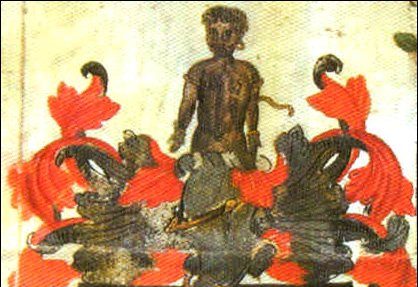
Date: October 1562 to August 1563
Location: United Kingdom, Africa, Dominican Republic
Category: Slavery, Colonization & Empire
In October 1562, John Hawkins departed Plymouth, England, with the Salomon, Jonas, and Swallow on his first slave-trading voyage. After reaching the Upper Guinea coast, including the Sierra Leone region, Hawkins and his crew captured and forcibly transported at least 300 Africans into slavery. He arrived at Hispaniola in April 1563 and traded at smaller northern ports, including Isabela, Puerto Plata, and Monte Cristi, avoiding Santo Domingo. Local Spanish officials accepted customs duties and allowed the illegal trade to proceed despite Spanish restrictions. Hawkins exchanged enslaved people and English goods for commodities including hides, ginger, sugar, and pearls. The profitable voyage helped establish a model for later English slave-trading expeditions.
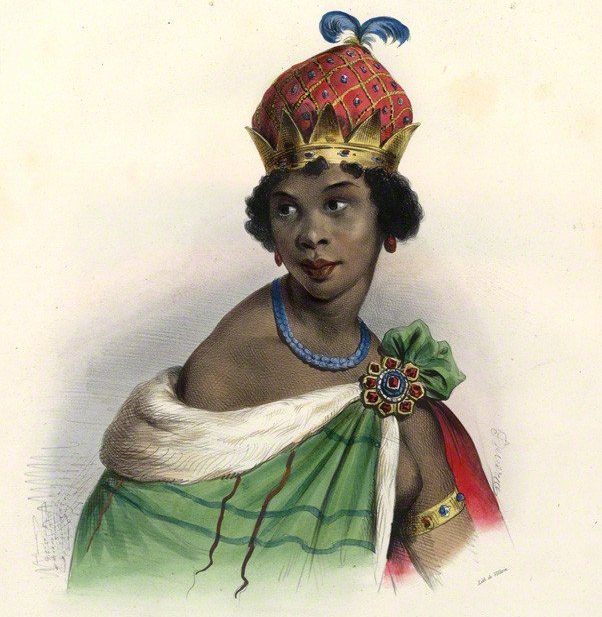
Date: 1626 to 1663
Location: Angola, Africa
Category: Slavery
From 1626 to 1663, Queen Nzinga Ana de Sousa Mbande ruled Ndongo and later Matamba in present-day Angola, spearheading opposition to Portuguese colonial expansion. After becoming queen of Ndongo in 1626, she refused to accept Portuguese suzerainty. Nzinga formed alliances with rival African states and later the Dutch. She provided sanctuary to runaway slaves, challenging Portuguese economic interests. Her resistance continued for decades, employing various military and diplomatic strategies. In 1656, Nzinga signed a peace treaty with the Portuguese, though she maintained her rule until her death in 1663. Her long-standing defiance was a symbol of African resistance to colonialism.

Date: 1632
Location: Montserrat
Category: Colonization & Empire
Irish and English colonists from nearby Saint Christopher, now Saint Kitts, began settling Montserrat in 1632. Sir Thomas Warner, governor of Saint Christopher, sent Irish Catholics to the island as tensions between Catholics and Protestants intensified in the British Caribbean. Captain Anthony Brisket became Montserrat’s first English governor. The new settlement grew tobacco, indigo, and cotton for export to England. For some Irish arrivals, Montserrat offered land and a measure of refuge; for England, it extended colonial control in the Leeward Islands. The settlement laid the foundation for plantation rule and Montserrat’s complex Irish-Caribbean legacy.
Learn More
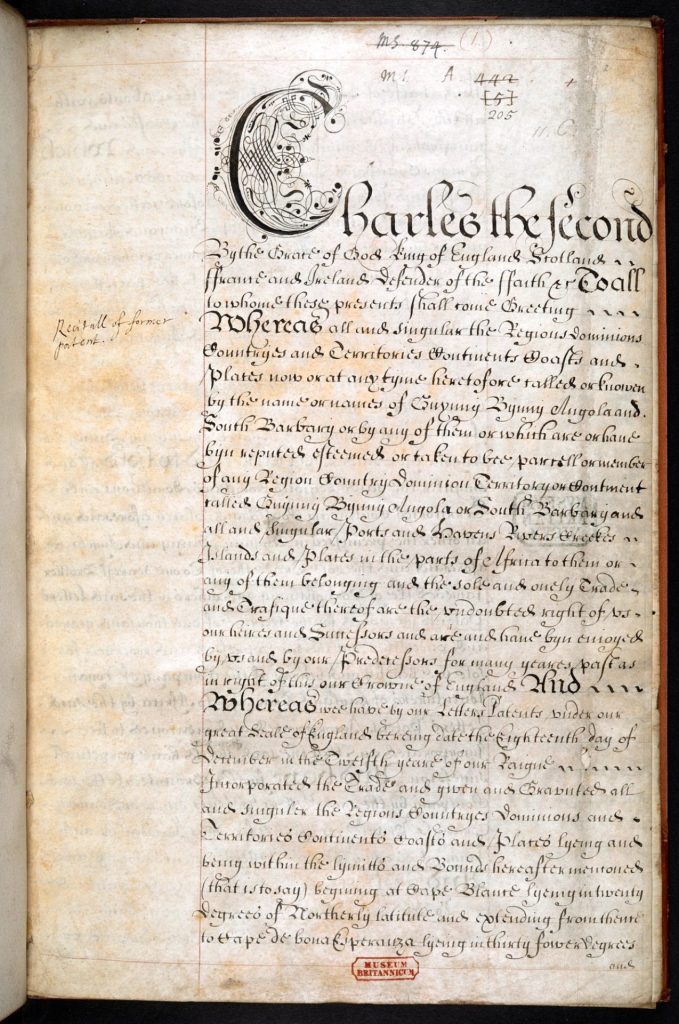
Date: December 18, 1660
Location: United Kingdom
Category: Slavery, Colonization & Empire
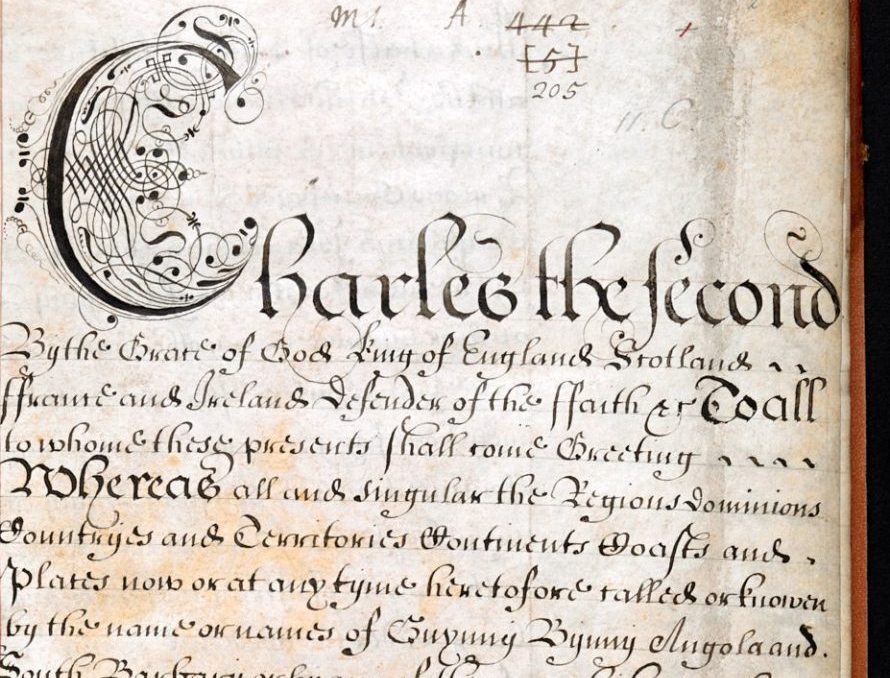
On December 18, 1660, King Charles II of England granted a charter to the Company of Royal Adventurers Trading to Africa, marking the beginning of organized English trade along the West African coast. Initially focused on gold trade, the company received a new charter on January 10, 1663, explicitly expanding its operations to include the slave trade. Led by the Duke of York (later King James II), it established trading posts on the West African coast. By 1665, the company reported annual revenues of £200,000 from gold, £100,000 from ivory, hides, and pepper, and £100,000 from slave trading. However, the Second Anglo-Dutch War in 1667 led to significant losses, resulting in the company’s effective bankruptcy. It was subsequently reorganized as the Royal African Company in 1672.
Date: April 1668
Location: Antigua & Barbuda
Category: Colonization & Empire
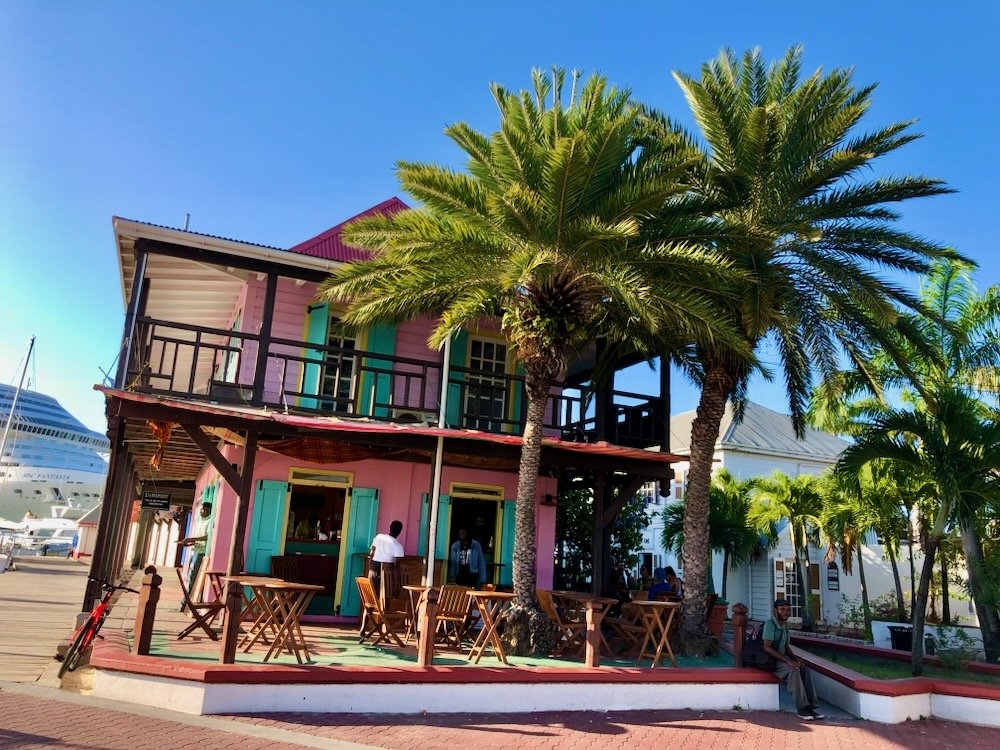
Antigua’s colonial legislature passed an act in April 1668 proposing that a town be built at St. John’s Harbour. The decision followed the French invasion and short occupation of Antigua in 1666. The new town developed beside the sheltered harbor, drawing merchants, planters, sailors, and colonial officials. It gradually surpassed Parham, Antigua’s earlier capital and port, as the island’s commercial and administrative center. A major fire swept through St. John’s in August 1769, but the town recovered. Today, St. John’s, Antigua and Barbuda, is a historic capital city, a major tourist destination, and a cruise port.