
- All
- Africa
- Antigua & Barbuda
- Art & Museums
- Aruba
- Bahamas
- Barbados
- Caribbean
- Carnivals & Festivals
- Colonization & Empire
- Cuba
- Curacao
- Dominican Republic
- Education & Scholarship
- Explorers
- Fashion
- Food & Drink
- Guadeloupe
- Guyana
- Haiti
- Jamaica
- Literature
- Martinique
- Migration
- Montserrat
- Music
- Natural Disasters
- Netherlands
- Notable Figures
- Politics & Government
- Portugal
- Puerto Rico
- Region
- Religion & Spirituality
- Saint Kitts & Nevis
- Saint Lucia
- Slavery
- Spain
- Tourism
- Transportation
- Trinidad & Tobago
- Turks & Caicos
- United Kingdom
- US Virgin Islands

Date: 1503
Location: Hispaniola
Category: Explorers
Juan Garrido was born in West Africa around 1480. As a free man, he moved to Portugal and then to Spain. In 1503, he sailed to Hispaniola (now Haiti and the Dominican Republic) with Spanish explorers, becoming known as the first Black conquistador. In 1513, Garrido explored Florida with Juan Ponce de León, making him the first documented Black person in what is now the United States. He also participated in expeditions to Puerto Rico and Mexico, joining Hernán Cortés in the conquest of the Aztec Empire. Garrido settled in Mexico City, where he became the first to grow wheat in the Americas and served the Spanish crown for over 30 years.


Date: 1511
Location: Cuba
Category: Colonization & Empire
Spanish conquistador Diego Velázquez de Cuéllar and his men who were living on the Spanish colony of Hispaniola, set out to conquer the island of Cuba under orders from Diego Columbus. They established the first permanent Spanish town at Baracoa on the island’s northeast coast, then founded other settlements that became important colonial centers. Velázquez served as Cuba’s first governor and oversaw the creation of towns such as Bayamo and Santiago de Cuba. This expansion brought disease, forced labor, and land seizure for Taíno communities, who resisted under leaders like Hatuey but were largely defeated within a few years.
Date: February 2, 1512
Location: Yara, eastern Cuba, in present-day Granma Province
Category: Colonization & Empire, Notable Figures
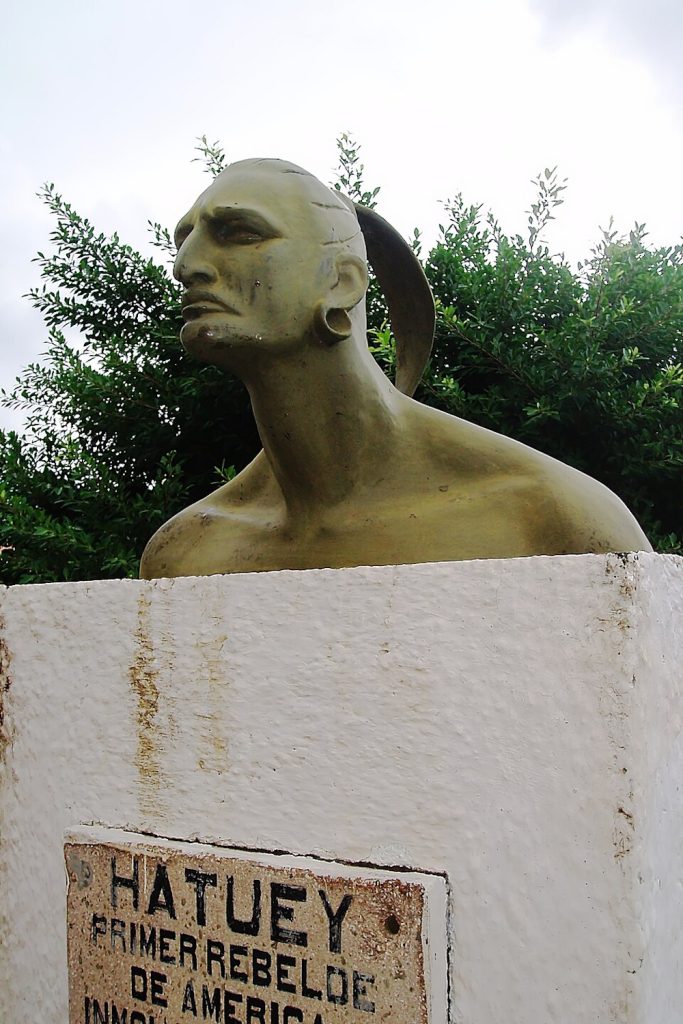
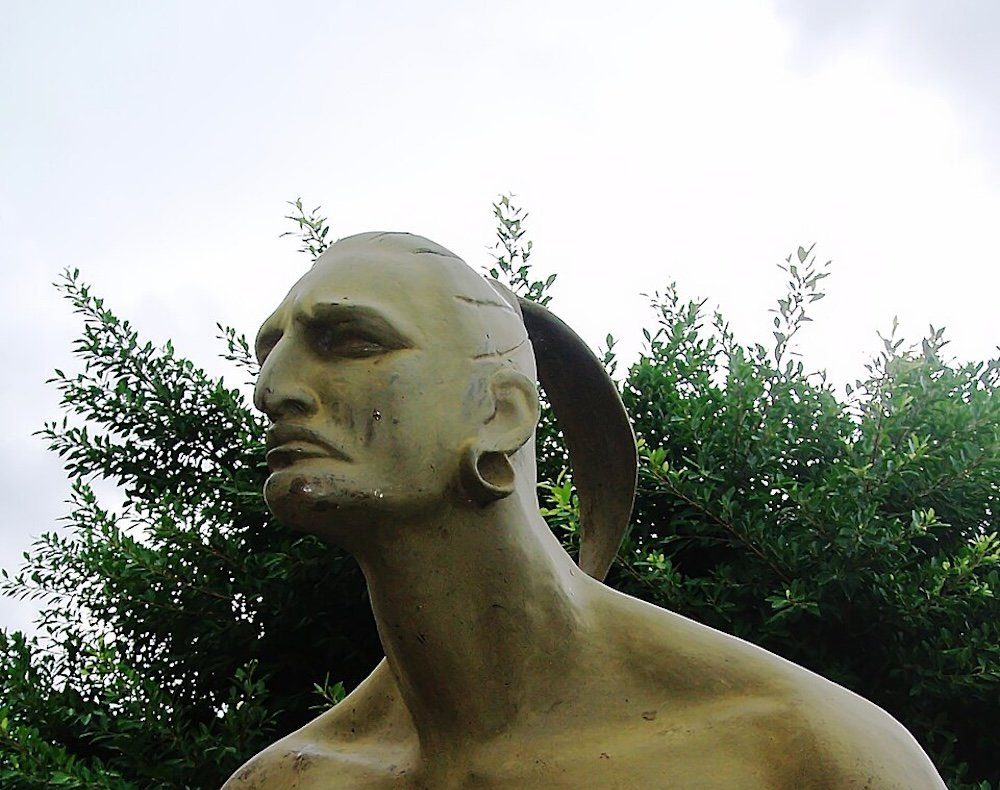
Taíno cacique Hatuey, originally from Hispaniola, was captured in eastern Cuba after leading armed resistance against Spanish rule. Spanish authorities condemned him to be burned at the stake near Yara in Oriente province. A friar reportedly urged Hatuey to accept baptism so his soul could go to heaven; Hatuey refused, saying he did not wish to be in the same place as the Spaniards who had killed and enslaved his people. His execution marked the crushing of organized Taíno resistance in that region, but over time Hatuey came to be remembered in Cuba as one of the first Indigenous freedom fighters in the Americas.


Date: 1513–1520
Location: Cuba
Category: Slavery
Enslaved Africans were first recorded in Cuba circa 1513, when Spanish colonists brought a small number of enslaved people from Hispaniola to work in mines and on early agricultural estates. Over the next decade, royal licenses and private initiatives expanded this trade. By the mid‑1520s, larger groups of enslaved Africans were arriving directly to Cuba, supplying labor for gold mining, cattle ranching, and emerging sugar plantations. This marked the beginning of a racialized slave system that gradually replaced Indigenous Taíno labor, reshaped Cuba’s economy, and laid the foundations for Afro‑Cuban communities and maroon settlements that would resist slavery in the centuries to come.


Date: August 18, 1518
Location: Spain
Category: Slavery, Colonization & Empire
King Charles I of Spain, later Emperor Charles V, issued a charter on August 18, 1518, authorizing the direct transportation of enslaved Africans from Africa to Spain’s American colonies. The charter marked a major shift in the developing transatlantic slave trade, which had previously relied largely on routes passing through Iberian ports. The license was granted to the Flemish nobleman Laurent de Gouvenot, known in Spanish as Lorenzo de Gorrevod. It authorized him and his agents to transport up to 4,000 enslaved Africans (men and women) directly from Africa to the Spanish Indies. This decision opened a legal and commercial pathway for the expansion of African enslavement in the Caribbean and the wider Americas for centuries to come.

Date: 1519 to 1521
Location: Puerto Rico
Category: Slavery
Between 1519 and 1521, at least four documented voyages carried enslaved Africans directly from Arguim, a Portuguese trading station off the coast of present-day Mauritania, to Puerto Rico. The voyages took place in 1519, 1520, May 1521, and October 1521, and represent the first known implementation of the 1518 charter that authorized direct transportation of enslaved Africans to Spain’s American colonies. The first three voyages carried at least 60, 54, and 79 enslaved people. They marked an early shift away from routes that moved enslaved Africans through Iberian ports before their transport to the Americas, opening a direct Atlantic passage between Africa and the Spanish Caribbean. Historians David Wheat of Michigan State University and Marc Eagle of Western Kentucky University identified these voyages in Spanish archival records.


Date: January 6, 1522
Location: Dominican Republic
Category: Slavery
In response to a Christmas 1521 revolt by enslaved Africans on his sugar estate near Santo Domingo, Diego Colón (son of Christopher Columbus and governor and viceroy of La Española) issued the Provisión del virrey Diego Colón, commonly known as the Ordinances of 1522. Issued on January 6, 1522, the Day of the Three Kings, or Epiphany, the measures are among the earliest known surviving colonial laws in the Americas explicitly directed at controlling enslaved Black people. The ordinances known as Black Codes restricted movement, limited access to weapons, required the registration and surveillance of enslaved people, and imposed brutal penalties including mutilation and execution for resistance, escape, and other alleged offenses. They also empowered colonial authorities to intensify surveillance and repression of the enslaved population. Issued in direct response to Black resistance, the ordinances codified an early legal structure of racialized slavery in Spanish America, grounded in coercion, punishment, and surveillance.

Date:1525
Location: São Tomé, Dominican Republic
Category: Slavery
In 1525, a Portuguese vessel made one of the earliest documented large-scale direct slave-trading voyages from Africa to the Americas. About 300 Africans were forcibly embarked in São Tomé, and 213 arrived in Santo Domingo, in the Spanish colony on Hispaniola, now shared by the Dominican Republic and Haiti. Unlike earlier routes that often passed through Iberian ports, this voyage sailed directly from Africa to the Caribbean. Its scale and route foreshadowed the expanding use of direct Atlantic crossings to supply Spanish American colonies with enslaved laborers. In the following years, additional voyages carried hundreds of enslaved people across the Atlantic, contributing to a system of forced migration that would shape the Caribbean and the wider Americas for centuries.