
- All
- Africa
- Antigua & Barbuda
- Art & Museums
- Aruba
- Bahamas
- Barbados
- Caribbean
- Carnivals & Festivals
- Colonization & Empire
- Cuba
- Curacao
- Dominican Republic
- Education & Scholarship
- Explorers
- Fashion
- Food & Drink
- Guadeloupe
- Guyana
- Haiti
- Jamaica
- Literature
- Martinique
- Migration
- Montserrat
- Music
- Natural Disasters
- Netherlands
- Notable Figures
- Politics & Government
- Portugal
- Puerto Rico
- Region
- Religion & Spirituality
- Saint Kitts & Nevis
- Saint Lucia
- Slavery
- Spain
- Tourism
- Transportation
- Trinidad & Tobago
- Turks & Caicos
- United Kingdom
- US Virgin Islands

Date: c. 500–200 BCE
Location: Caribbean Region
Category: Migration
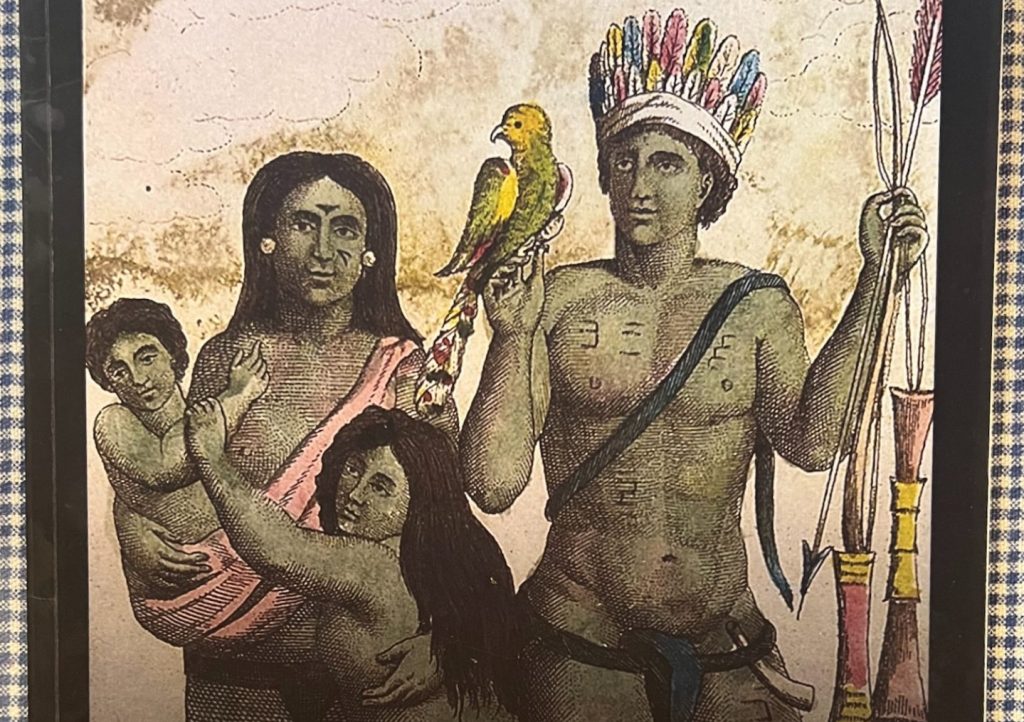
Beginning around 500 BCE, ceramic-making, horticultural communities linked to the lower Orinoco region of present-day Venezuela expanded into the Caribbean by sea. Archaeologists commonly associate many of these migrants with the Saladoid tradition; some were likely speakers of Arawakan languages, though archaeological traditions and language groups should not be treated as exact equivalents. They established settlements across the Lesser Antilles, the Virgin Islands, and Puerto Rico, bringing cultivated crops including cassava and distinctive, often highly decorated pottery. Their arrival was a major phase in the precolonial peopling of the Caribbean and helped shape later Indigenous Caribbean societies.
Buy Related Book

Date: c. 800–1492 CE
Location: Caribbean Region
Category: Migration
Long before European colonization, the Indigenous people gave the Caribbean islands names that reflected their languages, landscapes, and cultures. They named many islands based on what they saw or how they felt about these places. For example, Jamaica is often linked to the Taíno name Xaymaca, traditionally interpreted as “land of wood and water” or “land of springs.” Some research also identifies Yamaye as a possible Indigenous name for the island. Puerto Rico was known as Borikén, a Taíno name commonly translated as “land of the brave lord.”
Learn More


Date: c. 1200 AD
Location: Caribbean Region
Category: Migration
Around 1200 AD, Kalinago people, often called Caribs in colonial records, established communities across the Lesser Antilles after long-standing connections between the Caribbean islands and northern South America. They were skilled seafarers who travelled between islands and maintained trade, cultural, and family links across the region. The Kalinago lived alongside and interacted with other Indigenous Caribbean peoples through exchange, competition, and conflict. By the time Europeans arrived in 1492, Kalinago communities were an important part of the southern Lesser Antilles, including islands such as Dominica, St. Vincent, and Grenada.
Buy Related Book
Date: 1441 to 1444
Location: Portugal
Category: Slavery
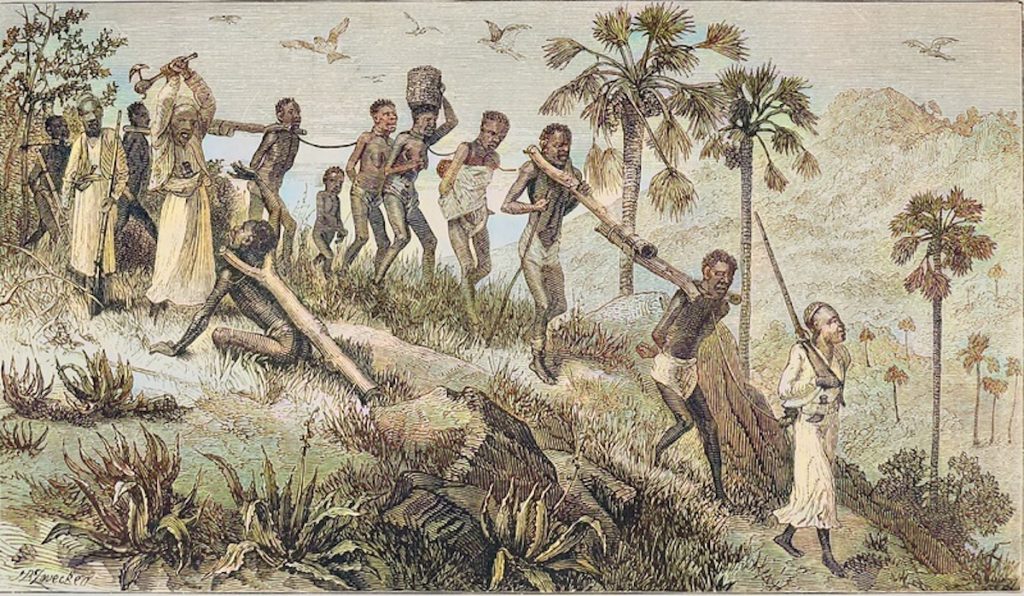
Between 1441 and 1444, Portuguese expeditions captured Africans along the Atlantic coast of Africa, including in the region of present-day Mauritania, and transported them to Portugal. Backed by Prince Henry the Navigator, these voyages began the Portuguese trade in enslaved Africans and helped lay the foundations of the Transatlantic Slave Trade. In August 1444, six caravels arrived in Lagos, Portugal, carrying about 235 enslaved men, women, and children captured near the Bay of Arguin. The captives were divided and sold publicly, while Prince Henry claimed a one-fifth share as sponsor of the expedition. By around 1460, an estimated 700 to 800 enslaved Africans were being brought to Portugal each year. Enslaved Africans were forced into domestic work, farming, crafts, and labor in Portugal and its Atlantic island colonies. Portugal’s early trade established routes, practices, and commercial systems that later expanded across the Atlantic to the Caribbean and the Americas.
Date: c. 1478
Location: Hispaniola, in the Taíno chiefdom of Jaragua (in present-day Haiti)
Category: Notable Figures, Colonization & Empire
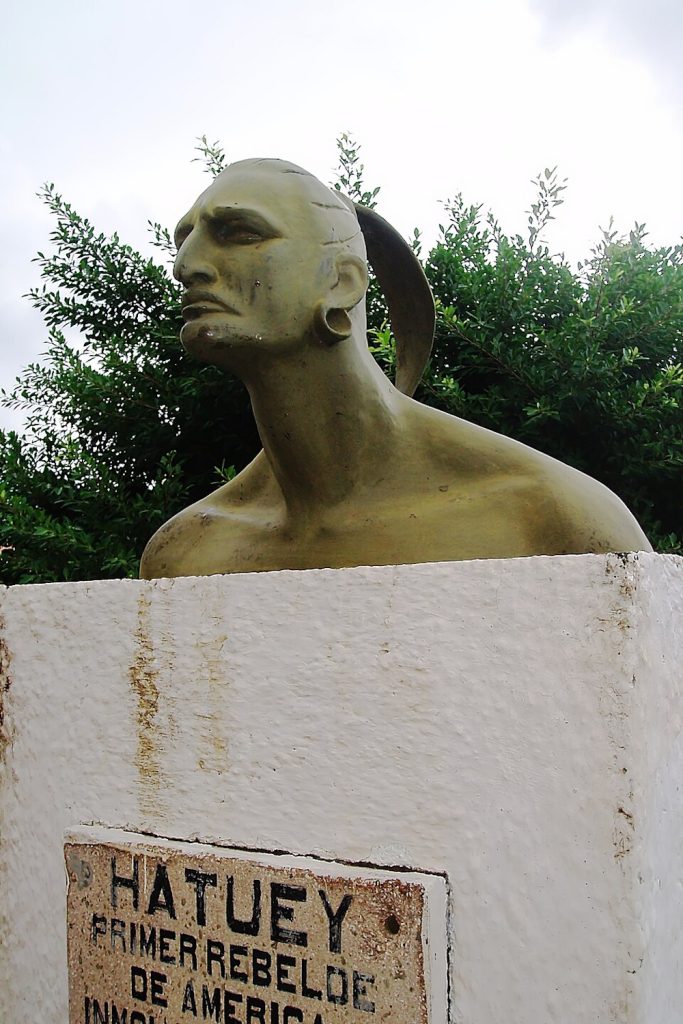
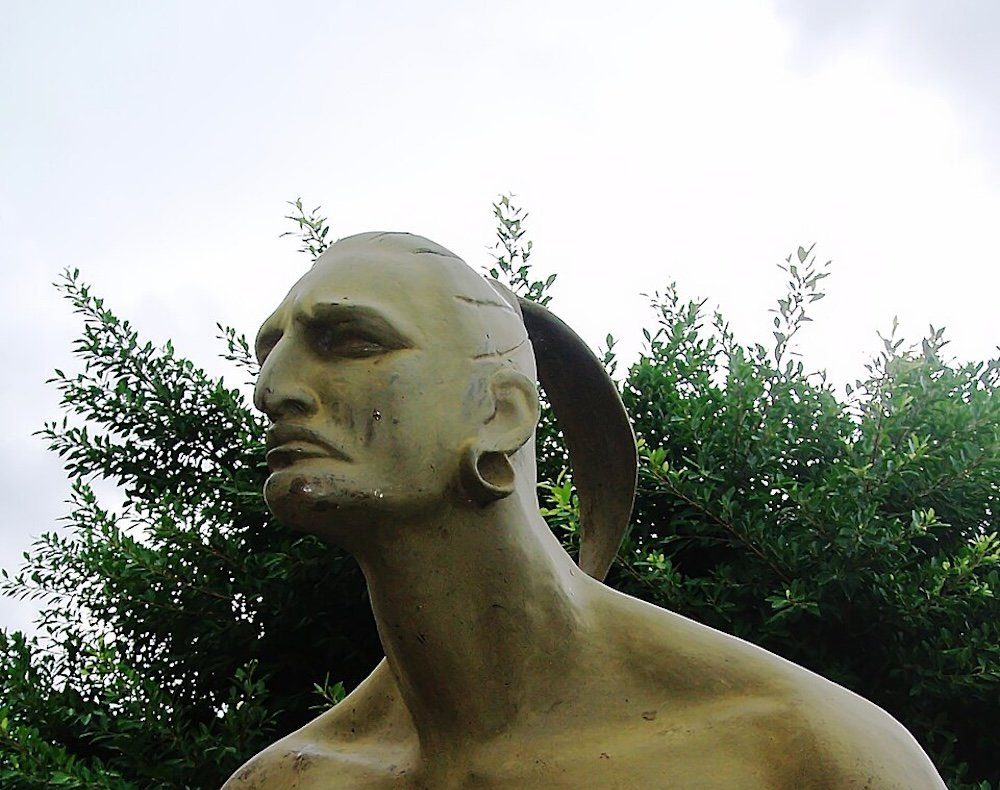
Hatuey was born around 1478 on the island of Hispaniola, in a Taíno community linked to the Jaragua chiefdom in what is now Haiti. Recognized as a cacique (chief), he led local villages and controlled important resources before the Spanish arrived in the Caribbean. After seeing the violence and forced labor imposed on Taíno people, Hatuey later crossed to eastern Cuba with a group of followers. There, he warned other communities about the Spanish and organized armed resistance, becoming one of the earliest documented Indigenous leaders to fight European colonization in the Americas.

Date: August 3, 1492 – March 15, 1493
Location: Spain, Caribbean Region
Category: Explorers, Colonization & Empire
Christopher Columbus left Palos, Spain, on August 3, 1492, with three ships: the Niña, the Pinta, and the Santa María. After stopping in the Canary Islands to repair the Pinta and gather supplies, the fleet sailed west across the Atlantic on September 6. On October 12, Columbus arrived at Guanahani, an island in The Bahamas inhabited by Taíno people, and renamed it San Salvador. He then explored Cuba and Hispaniola. On December 25, the Santa María ran aground off Hispaniola. Columbus used its timber to build La Navidad, a small settlement where he left 39 men. He began his return journey on January 16, 1493, and arrived back in Palos on March 15. The voyage marked the beginning of sustained European colonization in the Caribbean and brought devastating consequences for Indigenous peoples.
Buy Related Book

Date: 1492
Location: Caribbean Region
Category: Migration
The Columbian Exchange refers to the widespread transfer of plants, animals, people, technology, culture, and diseases between the Old World of Europe, Africa, and Asia and the New World of the Americas after Christopher Columbus’s 1492 voyage. The term was popularized by historian Alfred W. Crosby in his 1972 book The Columbian Exchange. The exchange transformed both hemispheres. New World crops such as potatoes, maize, and tomatoes changed diets and agriculture across Europe, Africa, and Asia, while Old World animals including horses and cattle reshaped landscapes and economies in the Americas. It also had devastating consequences: diseases such as smallpox, measles, and influenza caused catastrophic mortality among Indigenous peoples, who had no prior exposure to many of these infections. The Caribbean was among the regions most severely affected.
Buy Related Book
Date: September 25, 1493 to June 11, 1496
Location: Spain, Caribbean Region
Category: Explorers, Colonization & Empire
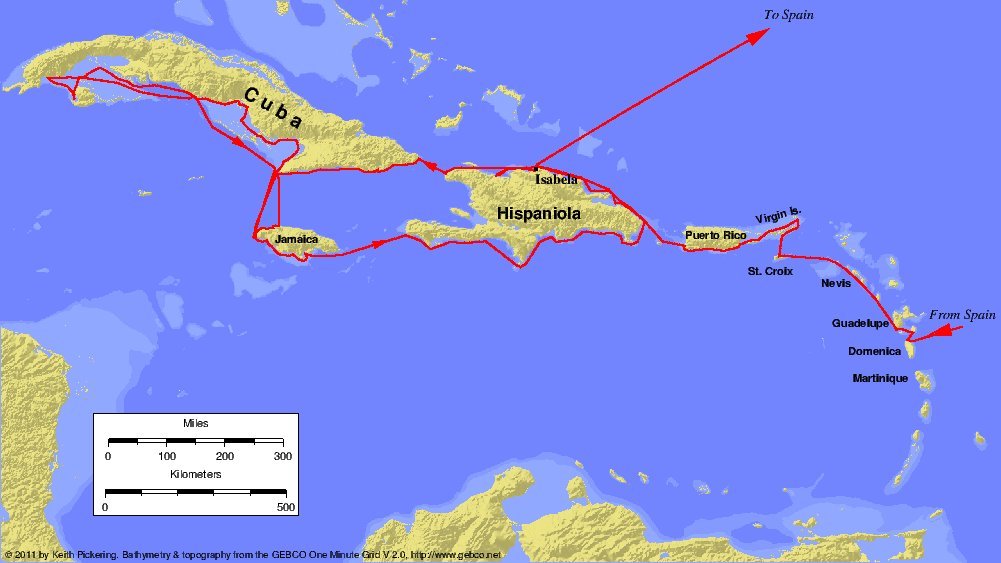
Christopher Columbus set sail from Cádiz, Spain, on September 25, 1493, with 17 ships and about 1,200 men. The expedition reached Dominica on November 3 and continued through the Lesser Antilles, visiting Guadeloupe and Puerto Rico before reaching Hispaniola. Columbus found La Navidad, the small settlement established during his first voyage, destroyed and its inhabitants dead. He founded La Isabela on Hispaniola’s north coast, in what is now the Dominican Republic. During this second voyage, he also explored Cuba and Jamaica before returning to Spain in June 1496. The expedition was designed not only to explore, but to establish Spanish colonies and expand Spanish control in the Caribbean.
Buy Related Book
Date: May 30, 1498 – October 15, 1500
Location: Spain, Caribbean Region
Category: Explorers, Colonization & Empire
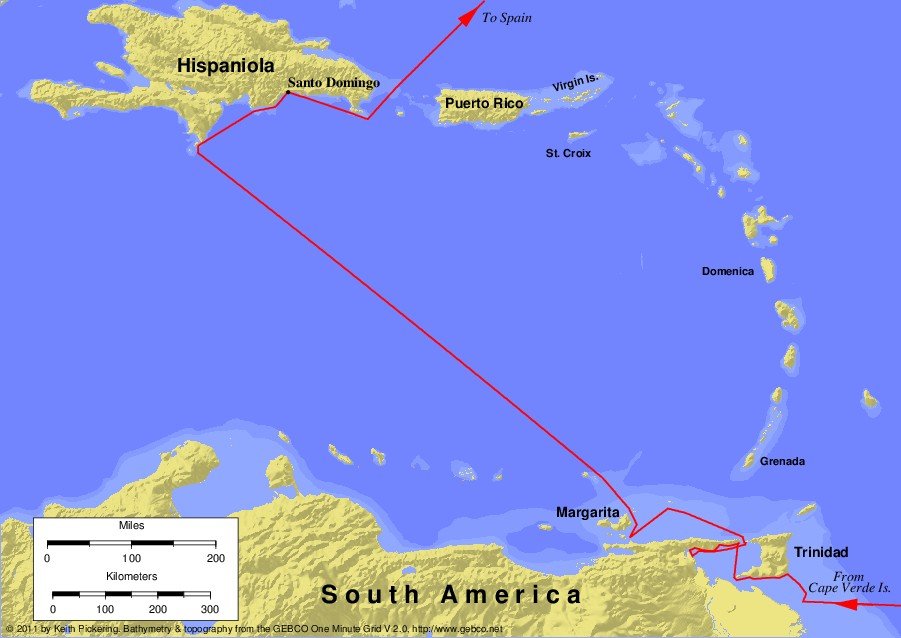
Christopher Columbus departed from Sanlúcar, Spain, on May 30, 1498, with six ships. Sailing farther south than on his earlier voyages, he reached Trinidad on July 31 and explored the Gulf of Paria. In August 1498, he reached the South American mainland near present-day Venezuela, becoming the first European known to have done so. After exploring the South American coast, Columbus returned to Hispaniola, where he was serving as governor of the Spanish colony. The colony was in rebellion, and complaints about his rule had reached the Spanish Crown. In 1500, royal commissioner Francisco de Bobadilla arrested Columbus and sent him back to Spain in chains, ending his third voyage.
Buy Related Book
Date: 1501
Location: Hispaniola, now the Dominican Republic and Haiti
Category: Slavery
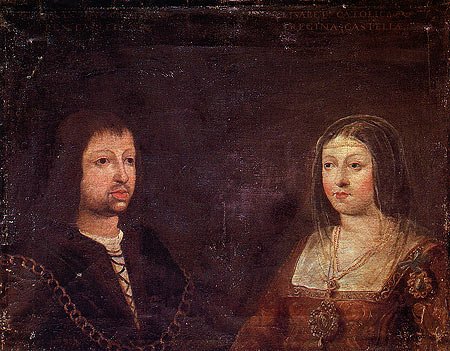
Spanish colonization of Hispaniola brought disease, violence, displacement, and forced labor that devastated Indigenous Taíno communities. In 1501, Spanish monarchs Ferdinand and Isabella authorized Governor Nicolás de Ovando to bring enslaved Black people to the colony, expanding the colonial labor system as the Taíno population declined. At first, only ladinos, enslaved Africans from the Iberian Peninsula who were already Christian, could be sent to Hispaniola. In 1518, Spain began authorizing direct shipments of enslaved Africans from Africa to its American colonies. These policies expanded African enslavement across the Caribbean and the wider Americas for centuries.