
- All
- Africa
- Antigua & Barbuda
- Art & Museums
- Aruba
- Bahamas
- Barbados
- Caribbean
- Carnivals & Festivals
- Colonization & Empire
- Cuba
- Curacao
- Dominican Republic
- Education & Scholarship
- Explorers
- Fashion
- Food & Drink
- Guadeloupe
- Guyana
- Haiti
- Jamaica
- Literature
- Martinique
- Migration
- Montserrat
- Music
- Natural Disasters
- Netherlands
- Notable Figures
- Politics & Government
- Portugal
- Puerto Rico
- Region
- Religion & Spirituality
- Saint Kitts & Nevis
- Saint Lucia
- Slavery
- Spain
- Tourism
- Transportation
- Trinidad & Tobago
- Turks & Caicos
- United Kingdom
- US Virgin Islands
Date: September 27, 1672
Location: United Kingdom
Category: Slavery, Colonization & Empire
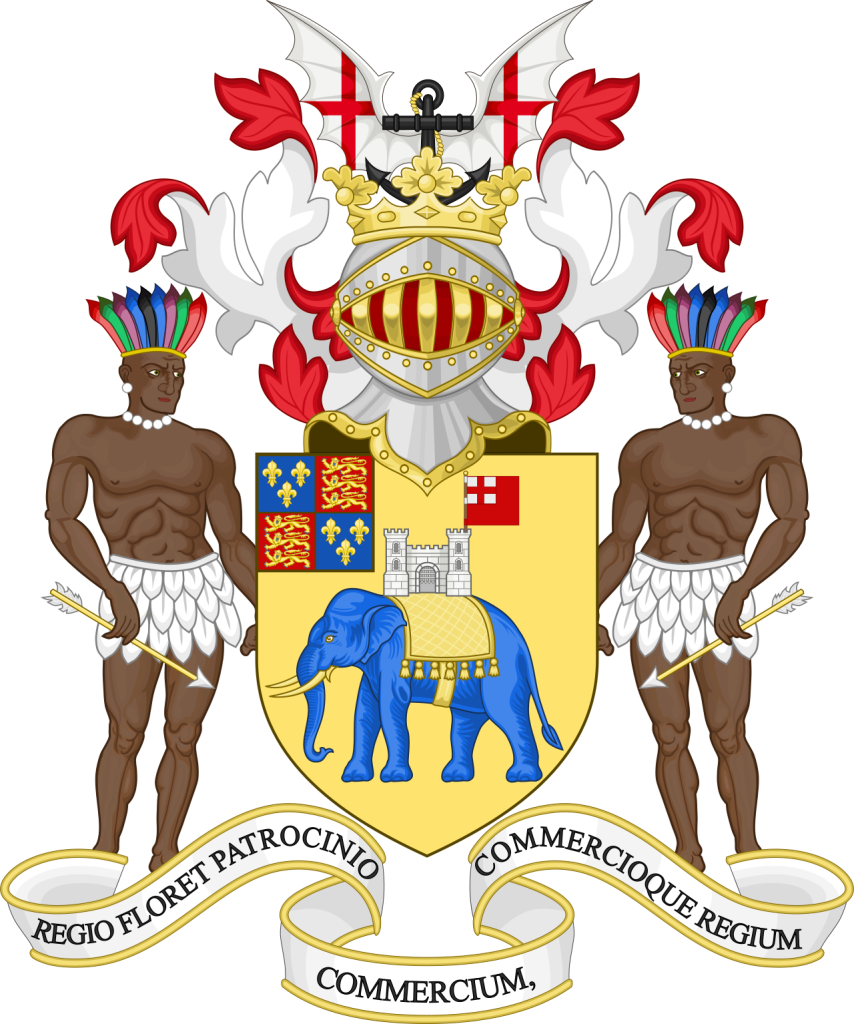
On September 27, 1672, King Charles II of England officially chartered the Royal African Company (RAC), granting it a monopoly on English trade with West Africa, including the slave trade. This new company replaced the bankrupt Company of Royal Adventurers Trading to Africa, established in 1660. The RAC’s charter allowed it to set up forts and factories, maintain troops, and exercise martial law in West Africa. King Charles II himself was a major shareholder, along with his brother James, Duke of York (later King James II). By the 1680s, the RAC was transporting about 5,000 enslaved people annually, primarily to Caribbean markets, playing a significant role in the expansion of the Transatlantic Slave Trade.


Date: 1685
Location: French Caribbean Colonies
Category: Slavery
In March 1685, King Louis XIV of France issued the Code Noir, a decree regulating slavery in the French Caribbean colonies of Martinique, Guadeloupe, and Saint-Christophe (present-day Saint Kitts). The code established legal rules governing the lives of enslaved people, restricting their rights while requiring limited provisions for food, clothing, and religious instruction. It was later extended to Saint-Domingue, now Haiti, in 1687 and French Guiana in 1704. The Code Noir required enslaved people to be baptized as Roman Catholics and prohibited Jewish people from living in the colonies. Although it required enslavers to provide basic care and annual clothing, it legalized violent punishment and treated enslaved people as property. The original 1685 edict remained in force until France abolished slavery in its colonies in 1848.
Date: May 1, 1713
Location: United Kingdom, Spain
Category:Slavery
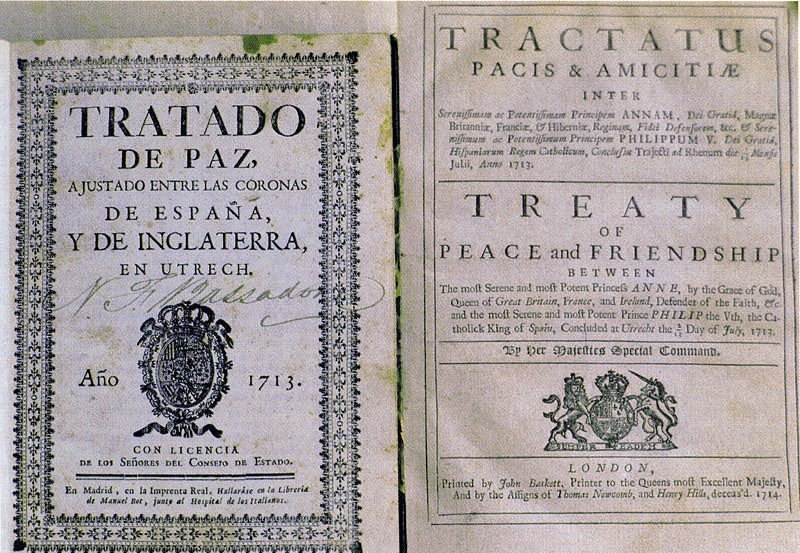
Under the Treaty of Utrecht, Britain was granted the Asiento de Negros, a 30-year contract to supply enslaved Africans to Spanish America. Queen Anne celebrated this as a victory, while King Philip V of Spain had reluctantly agreed to the deal to maintain peace. The South Sea Company, tasked with fulfilling the agreement, could send 4,800 slaves annually to the Spanish American colonies, including Cuba, Hispaniola, and Puerto Rico. This deal sparked mixed reactions: South Sea Company investors and independent traders saw profit potential in the slave trade and associated smuggling opportunities, while the Spanish government worried about threats to their trading monopoly and colonial control. Ultimately, the Asiento proved less profitable than expected due to disruptions from wars and a hefty annual tax of £34,000 to the Spanish crown. These factors contributed to rising tensions between Britain and Spain, culminating in the War of Jenkins’ Ear in 1739.

Date: 1724 to 1727
Location: Benin, Africa
Category: Slavery
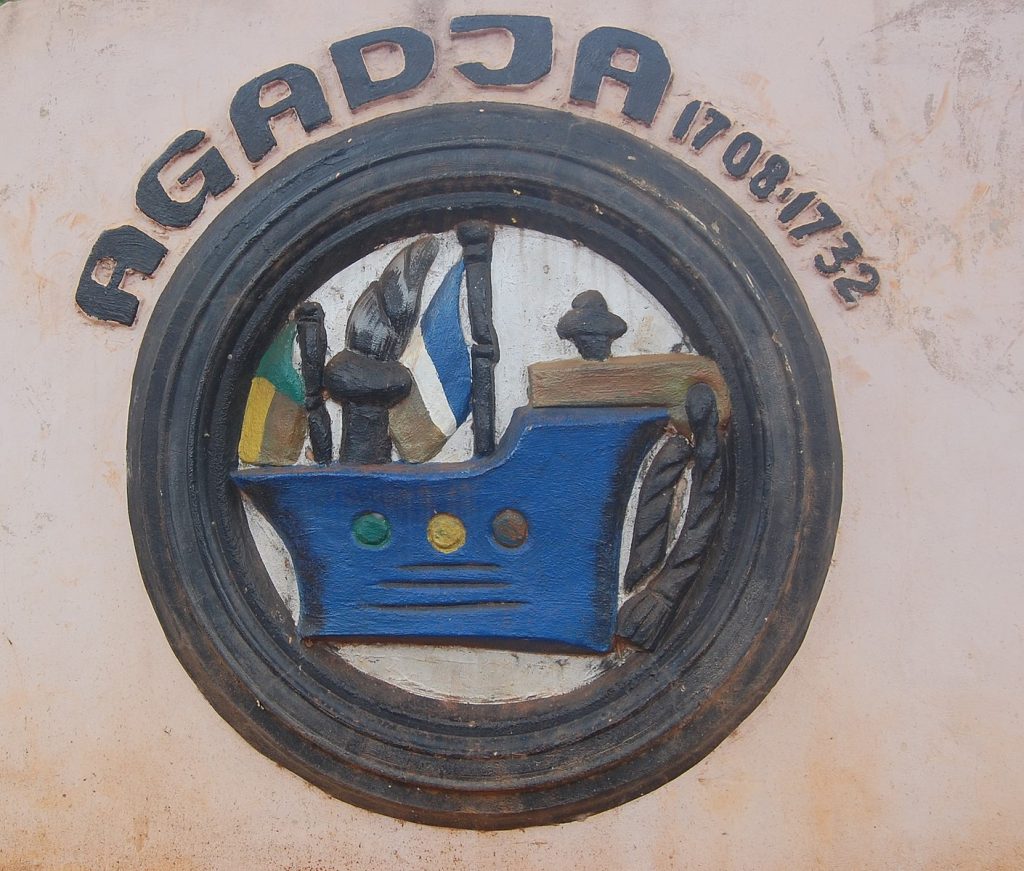
Between 1724 and 1727, King Agaja Trudo of Dahomey (present-day Benin) took significant action to disrupt the slave trade. He conquered the coastal states of Allada (1724) and Whydah (1727), which were major European slave trading centers. These campaigns damaged trading posts and besieged European forts, temporarily halting slave exports. In 1726, Agaja reportedly sent Bulfinch Lambe, a captured British trader, and Adomo Tomo, an African interpreter, to England. Their mission, purportedly to propose alternative trade arrangements, remains a subject of historical debate due to limited documentation and questions about its authenticity. By 1730, facing invasions from the Oyo Empire and internal pressures, Agaja allowed slave trading to resume under royal monopoly. Thus, while Dahomey’s initial actions disrupted the slave trade, they ultimately did not end his involvement in it, illustrating the complex political and economic challenges he and other African leaders faced.

Date: 1728 to 1740
Location: Jamaica
Category: Slavery
The First Maroon War began in 1728 between Jamaican Maroons and British colonial authorities. Maroons were former enslaved Africans and their descendants who had formed independent communities in Jamaica’s mountainous interior since 1655. Tensions escalated due to harsh colonial policies and increased military presence. Governor Robert Hunter intensified efforts to subdue these communities, deploying troops to areas like Port Antonio. Maroon leaders, including Nanny and Cudjoe, utilized guerrilla tactics to defend their freedom, raiding plantations and ambushing British forces. Their knowledge of the rugged terrain allowed them to inflict significant losses on colonial militias despite being outnumbered. The conflict strained colonial resources and culminated in peace treaties in 1739-1740, granting Maroons land and limited autonomy in exchange for returning future runaway slaves and assisting in island defense.
Buy Related Book
Date: 1749
Location: Caribbean Region
Category: Fashion
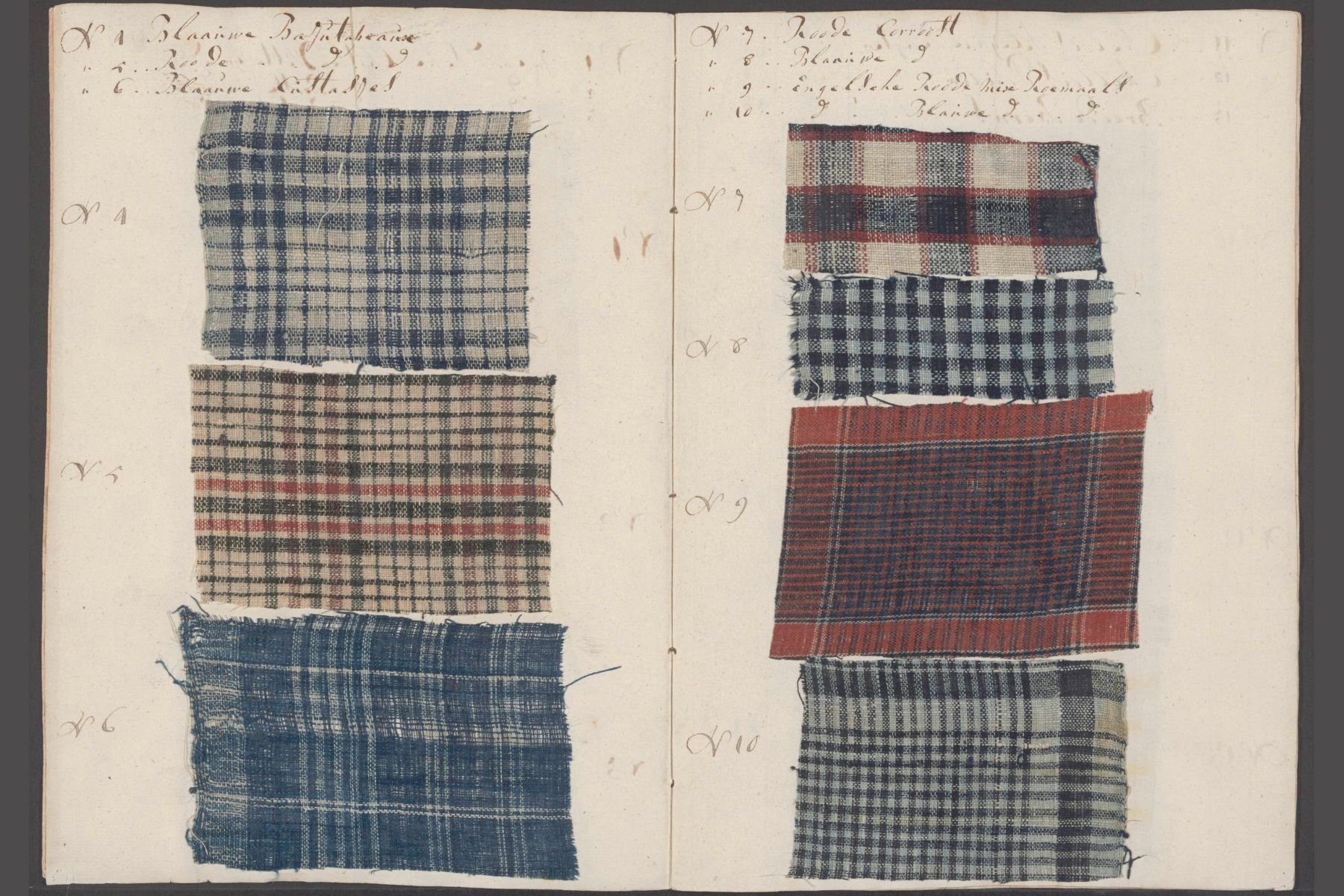
Trade records from 1749 show that merchants commissioned Pulicat handkerchiefs for sale in the Caribbean. These checked cotton textiles were associated with Pulicat, a South Indian port city, and were distinct from, though related to, the checked handkerchiefs later widely known as Madras. Indian handkerchiefs were traded to and worn in different parts of the Caribbean. Madras handkerchiefs, in particular, were worn by both free and enslaved African Caribbean people and became widely popular in enslaved African Caribbean communities.
Learn More

Date: 1756
Location: Montserrat
Category: Notable Figures, Slavery
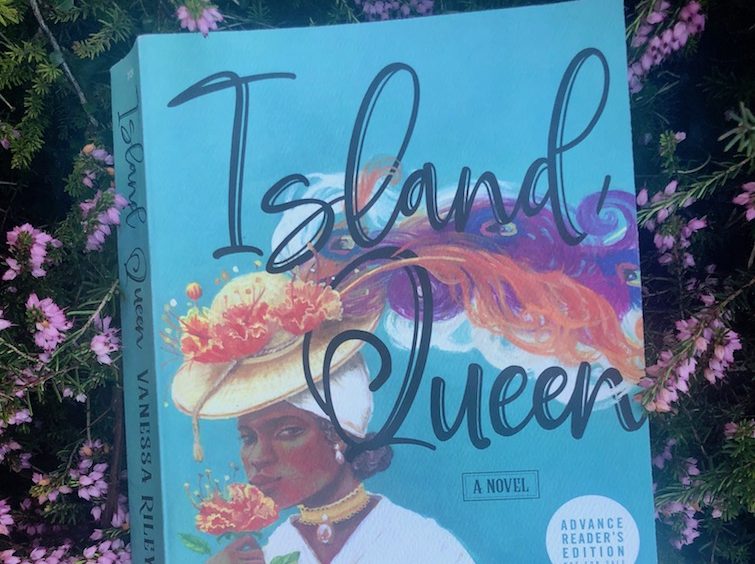
Dorothy “Dolly” Kirwan Thomas was born into slavery in Montserrat in 1756. As a girl, she earned money selling goods, then later used her savings to purchase freedom for herself and her three eldest children after leaving the island. Thomas built businesses in Dominica, Grenada, Barbados, and Demerara, now Guyana, becoming known as the “Queen of Demerara.” She was among the Caribbean’s wealthiest free women of color, though her success carried a grave contradiction: she later owned enslaved people. Her remarkable and troubling life story inspired Vanessa Riley’s historical novel Island Queen.
Learn More

Date: April 7, 1760
Location: Jamaica
Category: Slavery
Tacky’s Revolt, also known as Tacky’s War, was a significant slave uprising in Jamaica led by Tacky, a former Fante chief from the Gold Coast (modern-day Ghana). The revolt began on Easter Monday, April 7, 1760, when Tacky and approximately 100 followers seized the Frontier and Trinity plantations, later capturing Fort Haldane for weapons. Their numbers grew to over 400 as they liberated enslaved people and burned plantations. Inspired by the First Maroon War (1728-1739), the rebels aimed to overthrow British rule and establish an independent African state. British forces, aided by Black Maroon fighters who had gained limited autonomy through earlier treaties, suppressed the rebellion. Tacky was killed on April 14, 1760, but resistance continued until 1761. The aftermath saw severe reprisals: over 500 rebels were executed or killed, and another 500 were forcibly deported to Nova Scotia. This revolt, while unsuccessful, demonstrated the ongoing resistance to slavery and colonial rule in Jamaica.
Buy Related Book

Date: July 7, 1762
Location: Guyana
Category: Slavery
The Dutch slave ship De Eenigheid, also known as The Unity, arrived in Berbice (now part of Guyana) carrying 299 enslaved Africans. The crew, led by Captain Menkenveld, who had completed five previous slave voyages, traded a variety of goods on the West African coast to purchase these individuals. These goods included Indian textiles such as Madras cloth, blue salempouris, and red rumals, as well as guns, gunpowder, and other European manufactured items. In Berbice, the enslaved Africans were sold at public auction. Buyers mainly paid in sugar, which was then loaded onto the ship for the return trip to the Netherlands. When sugar was unavailable, buyers used bills of exchange as promissory notes. This voyage highlights how Indian fabrics, European goods, and colonial sugar production were interconnected through the Dutch transatlantic slave trade.
Learn More
Date: February 23 – December 1763
Location: Guyana
Category: Slavery
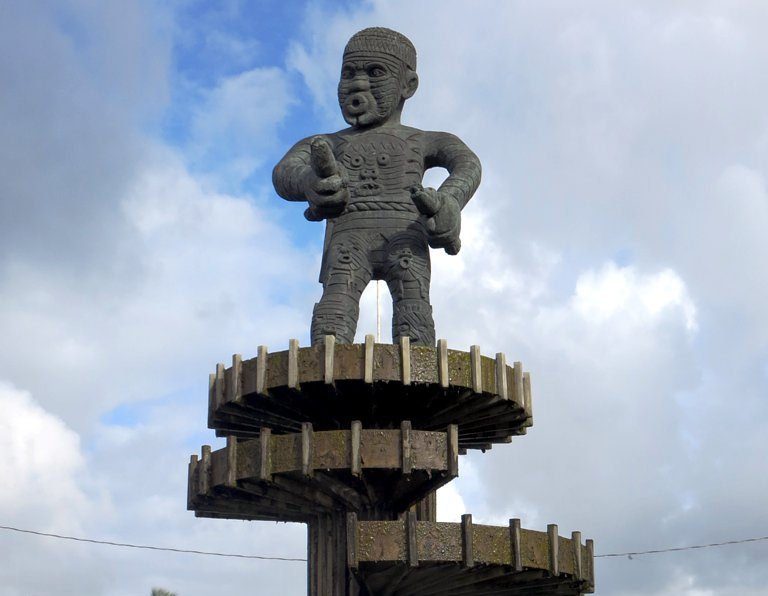
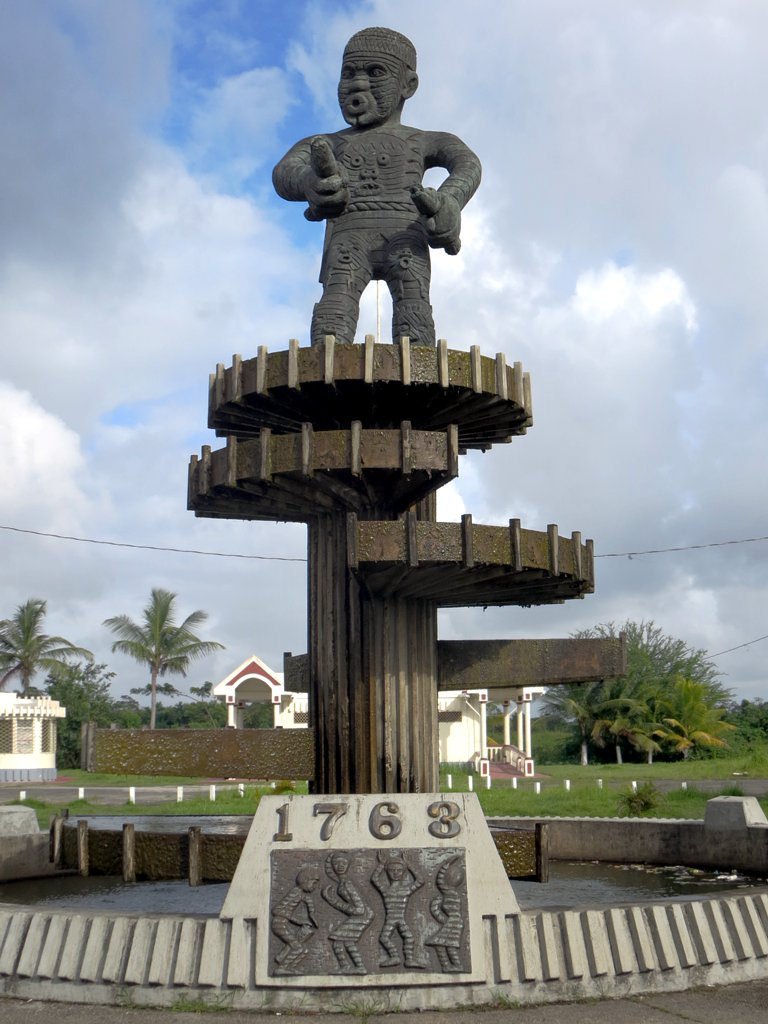
The Berbice Rebellion began on February 23, 1763, in the Dutch colony of Berbice (now part of Guyana), when enslaved Africans led by Coffij rose up against their brutal treatment. The revolt started on the Magdalenenberg plantation and quickly spread throughout the region, with Coffij organizing thousands of rebels. The enslaved population sought freedom and better living conditions, attacking plantations and killing several Europeans. Although the rebels achieved early successes, internal conflicts eventually emerged among their leaders. By December, Dutch reinforcements quashed the rebellion, leading to severe reprisals against the enslaved population. This uprising is remembered as a symbol of resistance in Guyana, with Coffij celebrated as a national hero.