
- All
- Africa
- Antigua & Barbuda
- Art & Museums
- Aruba
- Bahamas
- Barbados
- Caribbean
- Carnivals & Festivals
- Colonization & Empire
- Cuba
- Curacao
- Dominican Republic
- Education & Scholarship
- Explorers
- Fashion
- Food & Drink
- Guadeloupe
- Guyana
- Haiti
- Jamaica
- Literature
- Martinique
- Migration
- Montserrat
- Music
- Natural Disasters
- Netherlands
- Notable Figures
- Politics & Government
- Portugal
- Puerto Rico
- Region
- Religion & Spirituality
- Saint Kitts & Nevis
- Saint Lucia
- Slavery
- Spain
- Tourism
- Transportation
- Trinidad & Tobago
- Turks & Caicos
- United Kingdom
- US Virgin Islands
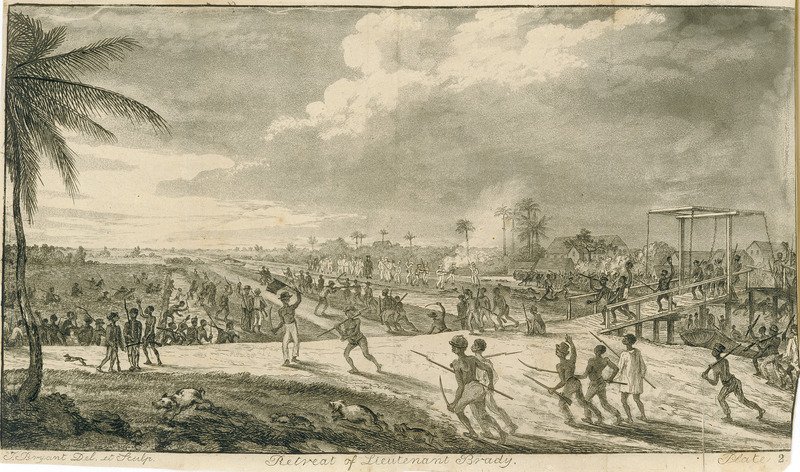
Date: August 18-20, 1823
Location: Guyana
Category: Slavery
Between August 18 and 20, 1823, the Demerara-Essequibo colony (now part of Guyana) experienced a significant uprising led by enslaved individuals, including Jack Gladstone and his father Quamina. The rebellion was fueled by rumors of impending emancipation laws that plantation owners were allegedly withholding. Over 10,000 to 15,000 enslaved people joined the revolt, demanding better treatment and freedom. The British colonial militia, commanded by Irish-born Governor John Murray, responded violently, resulting in hundreds of deaths, including Quamina’s. Although Jack was sentenced to death, he was deported to St. Lucia after Governor Murray requested clemency due to Jack’s efforts to protect white captives during the uprising. This rebellion intensified discussions about abolition in Britain and highlighted the growing resistance among enslaved people, ultimately contributing to the push for emancipation in 1838.
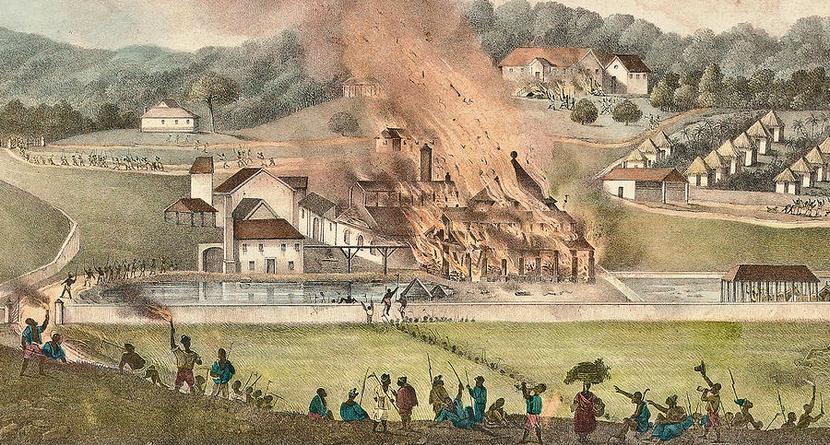
Date: December 25, 1831 – January 4, 1832
Location: Jamaica
Category: Slavery
The Baptist War, also known as the Christmas Rebellion, began on December 25, 1831, and lasted until January 4, 1832. Led by Samuel Sharpe, a Baptist deacon, this uprising involved as many as 60,000 enslaved people demanding better treatment and wages. The rebellion was sparked by rising tensions over the abolition of slavery being debated in Britain. Initially starting as a peaceful strike, it escalated into violence when plantation owners refused to meet demands. The British colonial forces responded with brutal repression, resulting in over 200 deaths among the enslaved and Sharpe’s execution. This rebellion significantly influenced the push for emancipation, leading to the Slavery Abolition Act of 1833.
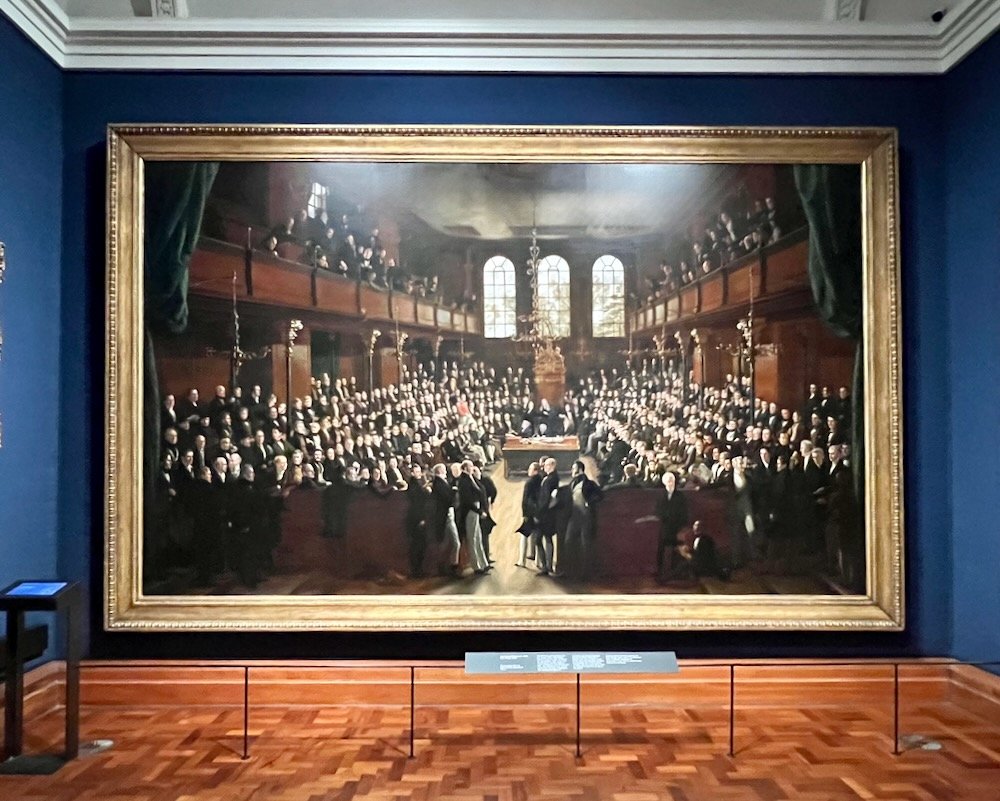
Date: August 28, 1833
Location: United Kingdom, Caribbean Region
Category: Slavery, Colonization & Empire
The Slavery Abolition Act received Royal Assent on 28 August 1833 and provided for the abolition of slavery in most British colonies from 1 August 1834. In the British Caribbean, it affected hundreds of thousands of enslaved people. Rather than granting immediate and unconditional freedom to most adults, the law imposed an apprenticeship system that required many formerly enslaved people to continue working for their former enslavers during a transition period. The British Parliament authorized £20 million in compensation for enslavers, while those who had been enslaved received no compensation. The Act excluded territories administered by the East India Company, as well as Ceylon and Saint Helena.
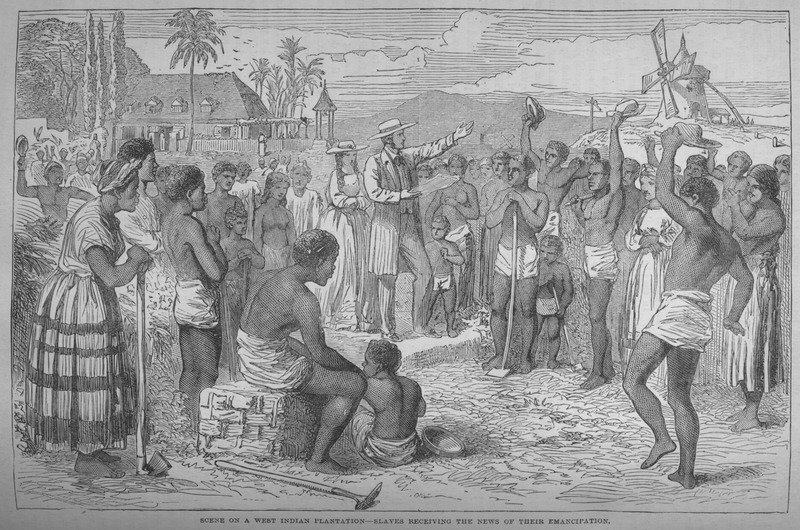
Date: August 1, 1834
On August 1, 1834, the Slavery Abolition Act of 1833 took effect, freeing over 800,000 enslaved people in British colonies across the Caribbean, South Africa, and Canada. The Act immediately freed all enslaved children under six, while those over six were placed into an “apprenticeship” system – a transitional period intended to prepare them for full freedom. Although the apprenticeship was originally set to last until 1840, mounting pressure led to its early termination on August 1, 1838. This marked the completion of emancipation throughout the British Empire, building on the process that began in 1834.

Date: December 23, 1837
Location: United Kingdom
Category: Slavery
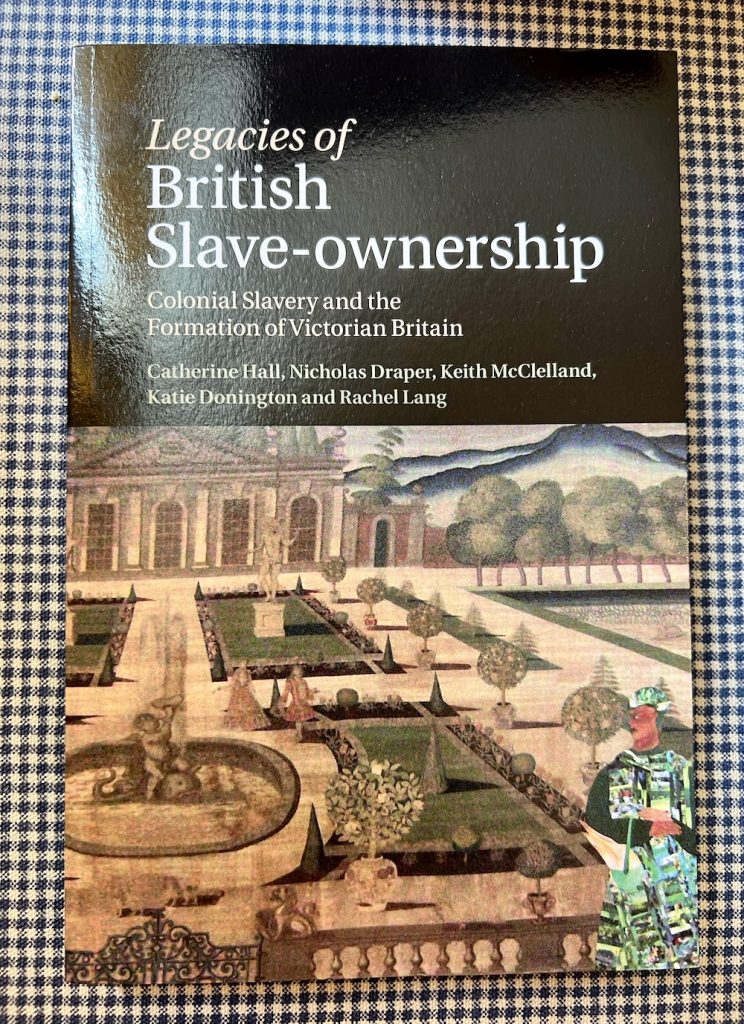
In order to expedite the ongoing process of compensating slave owners after slavery was abolished in 1833, the British Parliament approved the Slave Compensation Act on December 23, 1837. This act clarified how the £20 million already approved would be distributed, rather than allocating new cash. It permitted government annuities as a substitute for cash in certain situations and gave the Commissioners for the Reduction of the National Debt permission to continue making payments. Essentially, the statute facilitated the process that had started in 1834 by resolving outstanding claims and conflicts.

Date: August 1, 1838
Location: Caribbean Region
Category: Slavery
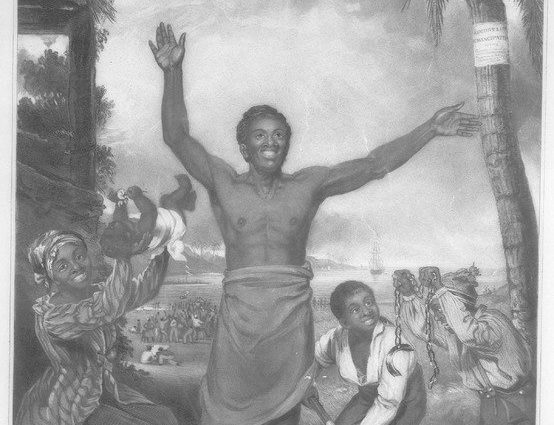
Emancipation Day was celebrated on August 1, 1838, marking the moment when full freedom was granted to all formerly enslaved people in the British Caribbean and other British colonies. This historic day signaled the official end of the apprenticeship system that had followed the Slavery Abolition Act of 1833. Across the Caribbean, communities gathered in churches, town squares, and villages to commemorate their newfound liberty. Celebrations included church services, public gatherings, and festive activities, reflecting widespread joy and relief at the end of enslavement. Despite the significance of Emancipation Day, most newly freed Africans continued to face racial discrimination and economic hardship as they began their new lives in freedom.
Date: July 1, 1863
Location: Netherlands
Category: Slavery
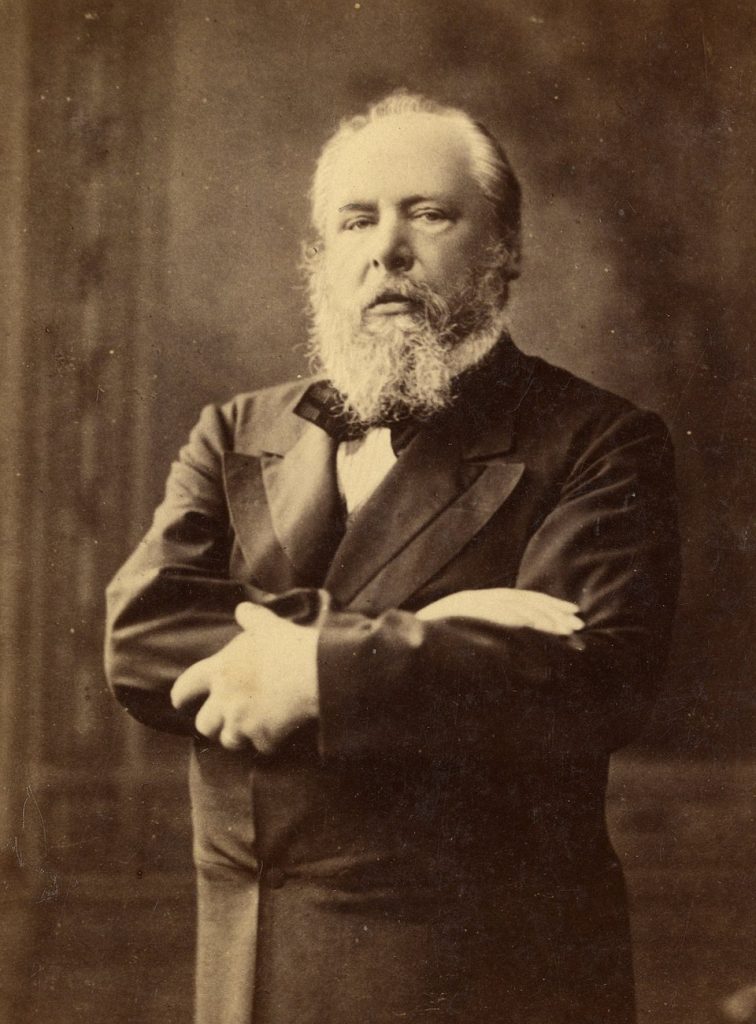
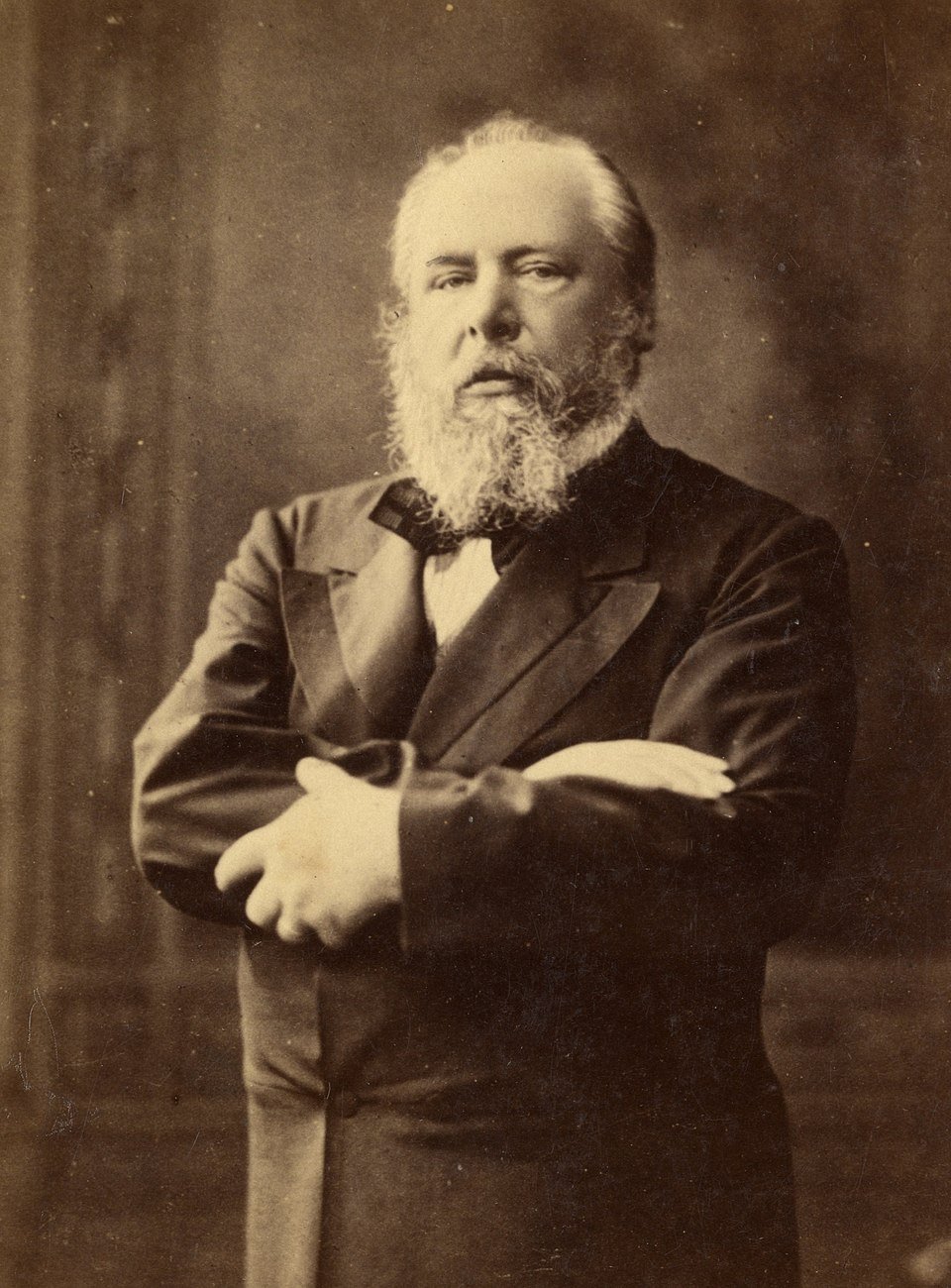
On July 1, 1863, King Willem III of the Netherlands officially abolished slavery in the Dutch Caribbean islands, including Curaçao, Bonaire, Aruba, Sint Maarten, Saba, and Sint Eustatius. This decision ended around 200 years of slavery in these colonies. The move came after years of pressure from abolitionist groups and changing attitudes toward slavery. However, the transition to freedom was not immediate. Former slave owners received compensation from the Dutch government for their lost “property.” Additionally, newly freed people faced a ten-year period known as “Staatstoezicht” (State Supervision), during which they were required to continue working on plantations under strict government control. This arrangement was aimed at stabilizing the economy and limited true freedom.