
- All
- Africa
- Antigua & Barbuda
- Art & Museums
- Aruba
- Bahamas
- Barbados
- Caribbean
- Carnivals & Festivals
- Colonization & Empire
- Cuba
- Curacao
- Dominican Republic
- Education & Scholarship
- Explorers
- Fashion
- Food & Drink
- Guadeloupe
- Guyana
- Haiti
- Jamaica
- Literature
- Martinique
- Migration
- Montserrat
- Music
- Natural Disasters
- Netherlands
- Notable Figures
- Politics & Government
- Portugal
- Puerto Rico
- Region
- Religion & Spirituality
- Saint Kitts & Nevis
- Saint Lucia
- Slavery
- Spain
- Tourism
- Transportation
- Trinidad & Tobago
- Turks & Caicos
- United Kingdom
- US Virgin Islands

Date: 1768
Location: Montserrat
Category: Slavery
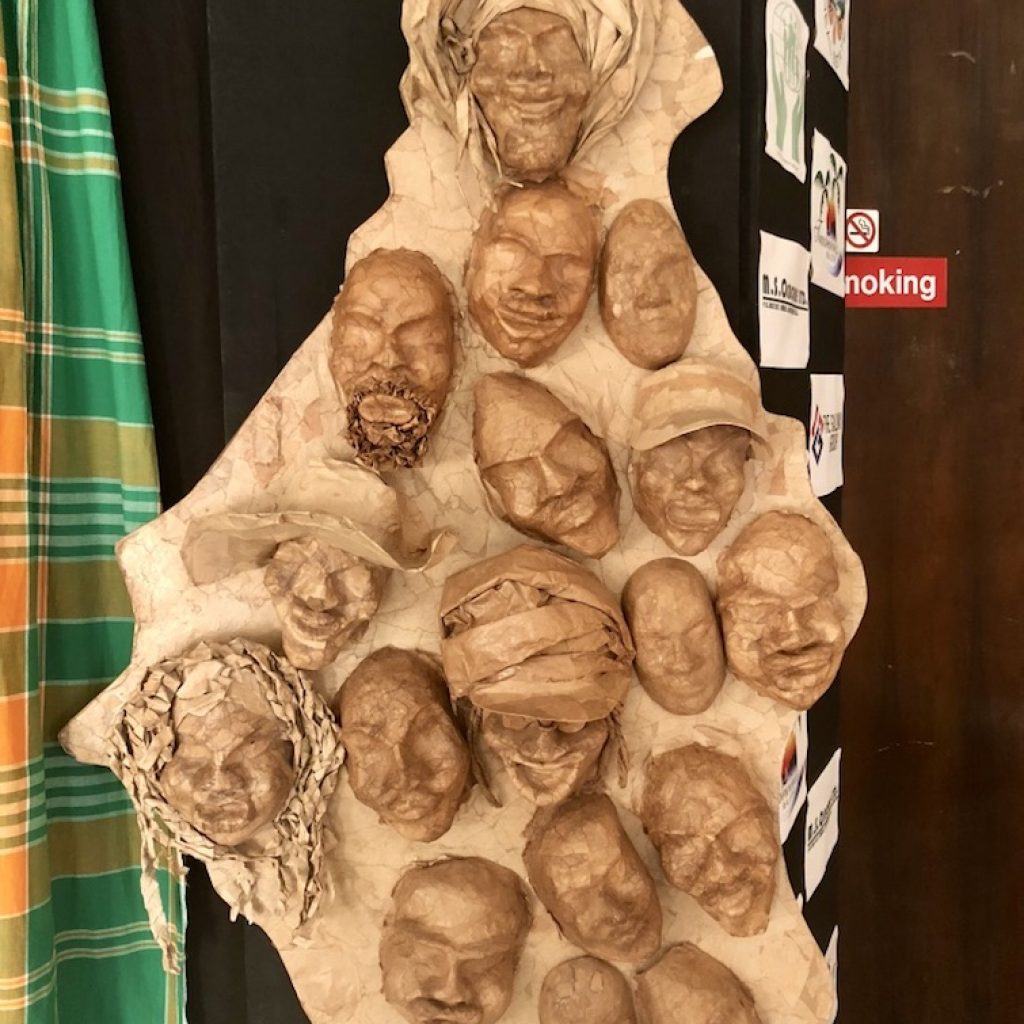
A group of enslaved and free Africans on Montserrat planned an uprising for St. Patrick’s Day 1768, as they knew their Irish enslavers would be occupied with celebrations. The plan involved some participants taking weapons from Government House while others prepared makeshift arms. However, the plantocracy became aware of the plot and intervened before it could take place. As a result, nine individuals were executed, and thirty others were imprisoned before being sold to other islands. Today, these freedom fighters are commemorated during the annual Montserrat St Patrick’s Day Festival.
Learn More

Date: 1769
Location: Guadeloupe
Category: Music, Fashion
One of the first mentions of Madras handkerchiefs in the Caribbean was in a folk song called “Adieu Foulard, Adieu Madras.” This song, believed to have been written in Guadeloupe around 1769, tells the story of a woman saying goodbye to her lover. She also bids farewell to the clothes that remind her of their relationship, including items made from Madras fabric. The title, which is in French, means “Goodbye Scarf, Goodbye Madras.
Learn More
Date: 1770s
Location: Guadeloupe
Category: Fashion
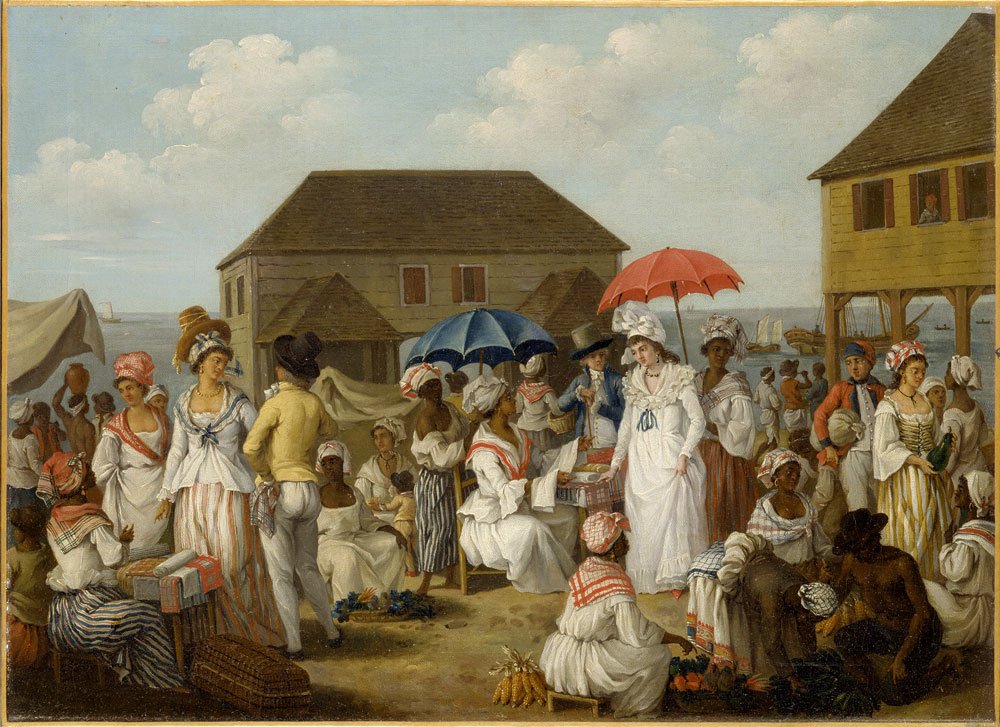
Madras, a colorful checked cotton fabric from the city of Madras, now Chennai, in Tamil Nadu, southern India, became popular in Guadeloupe and other French Caribbean islands during the 1770s. The cloth reached the Caribbean through colonial trade networks. The earliest recorded shipment of “Madras handkerchiefs” to West Africa dates to 1739, and Indian cotton textiles were traded in West Africa during the eighteenth and nineteenth centuries. In the Caribbean, women from different social groups wore madras, including free and enslaved Black women and white Creole women. Madras appeared in headwraps, scarves, and clothing. For free and enslaved Black women especially, headwrap styles formed an important part of Caribbean Creole dress in a society where colonial authorities imposed racist laws restricting how Black people could dress.
Learn More
Date: 1781
Location: Caribbean Sea en route to Jamaica
Category: Slavery
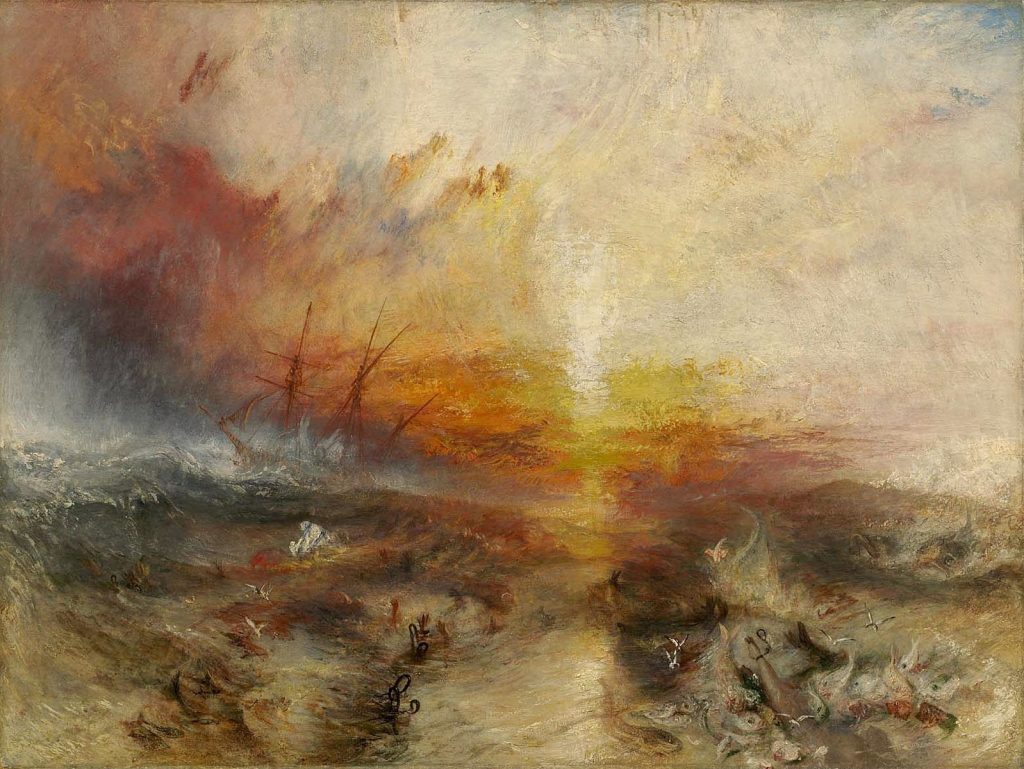
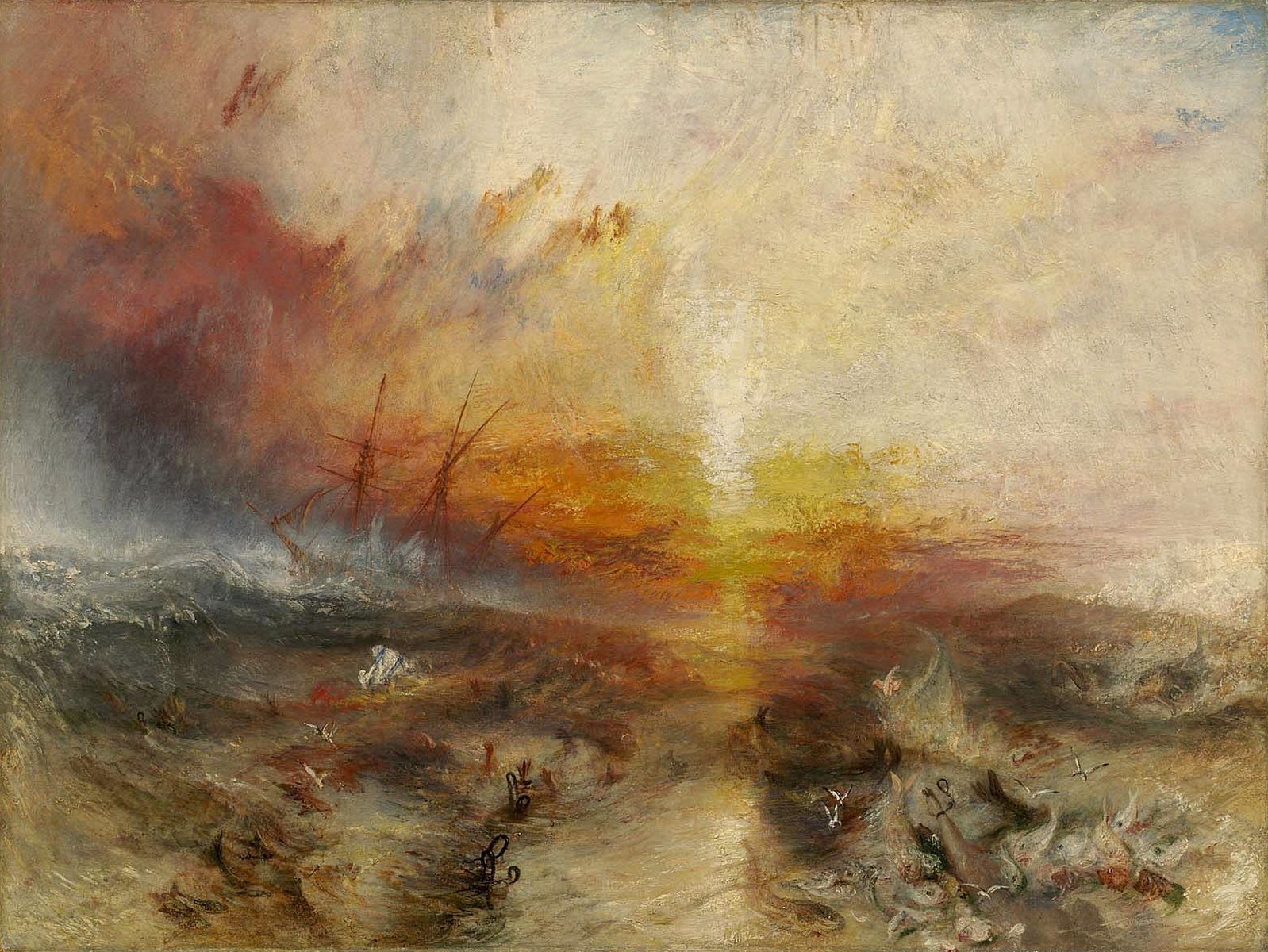
On November 29, 1781, the crew of the Zong slave ship threw 132 enslaved Africans overboard. The ship had left Africa on September 6 with about 442 captives, headed for Jamaica. After sailing off course due to navigational errors and with water shortages, Captain Luke Collingwood ordered some of the enslaved Africans to be thrown into the sea. The ship arrived in Jamaica on December 22 with only 208 survivors. Later, the ship’s owners tried to claim insurance money for the lost lives, treating them as cargo. This event caused outrage when it was made public in Britain. It drew attention to the slave trade’s cruelty and became an important case in the growing movement to end slavery. Though no one was punished for the killings, the case had a lasting impact on discussions about the slave trade.
Buy Related Book

Date: August 22, 1791 to January 1, 1804
Location: Haiti
Category: Slavery. Colonization & Empire
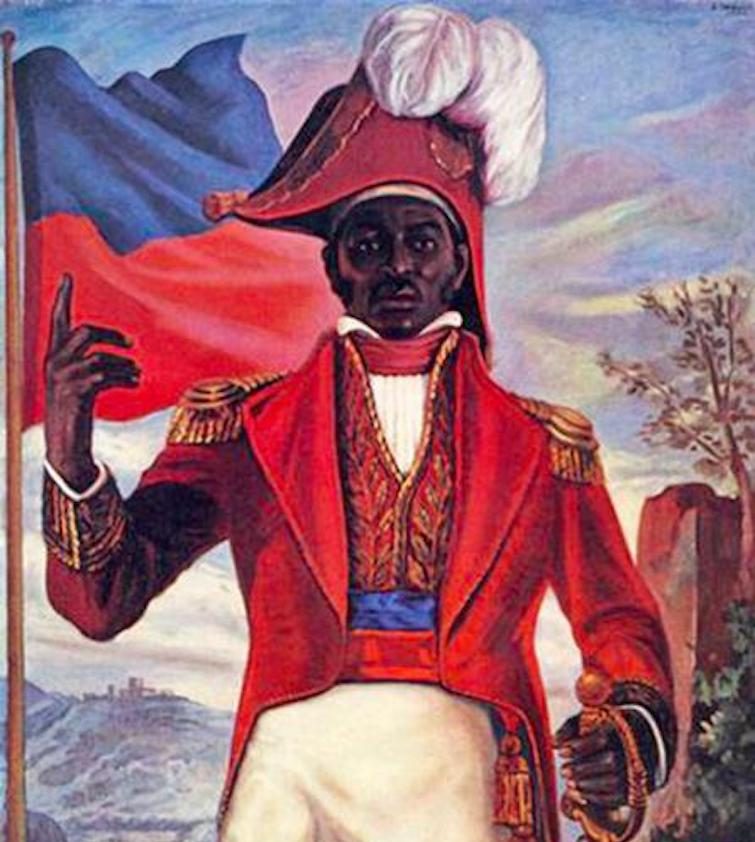
The Haitian Revolution began on the night of August 22, 1791, when enslaved people in the French colony of Saint-Domingue rose against slavery and colonial rule. Over the next 12 years, leaders including Toussaint Louverture, Jean-Jacques Dessalines, Henri Christophe, and many unnamed freedom fighters navigated shifting alliances and wars involving France, Spain, and Britain. The revolution ended with Haiti’s independence on January 1, 1804 creating the world’s first Black republic and the first independent nation founded by formerly enslaved people. Its success permanently ended slavery in Haiti and reshaped struggles for freedom across the Caribbean and the Americas.
Buy Related Book
Date: July 1795 to March 1796
Location; Jamaica
Category: Slavery
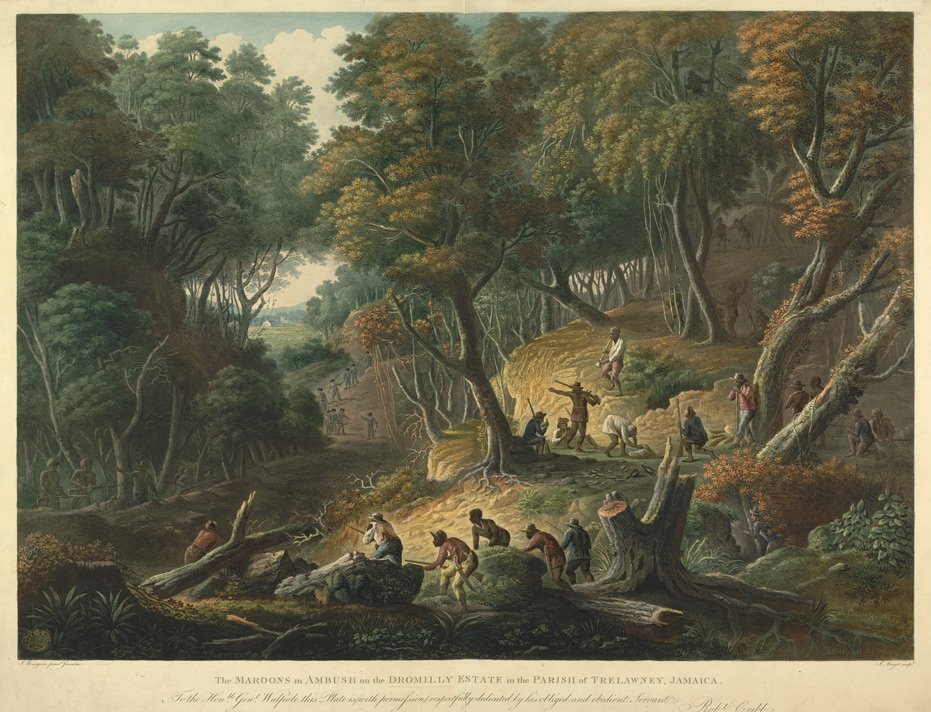
The Second Maroon War erupted in July 1795 when Trelawny Town Maroons rebelled against British colonial authorities in Jamaica. The conflict was sparked by the public flogging of two Maroons by a former slave. Governor Balcarres, fearing French revolutionary influence, responded aggressively. Maroon leaders, including Montague James, led guerrilla campaigns, raiding plantations and inflicting losses on British forces. The Accompong Maroons sided with the British, while other Maroon communities remained neutral. Despite initial Maroon successes, British forces under General Walpole eventually gained the upper hand. The war ended in March 1796 with Maroon surrender. Betraying the peace terms, the British deported hundreds of Trelawny Town Maroons to Nova Scotia, and later to Sierra Leone.
Buy Related Book
Date: March 25, 1807
Location: United Kingdom
Category: Slavery
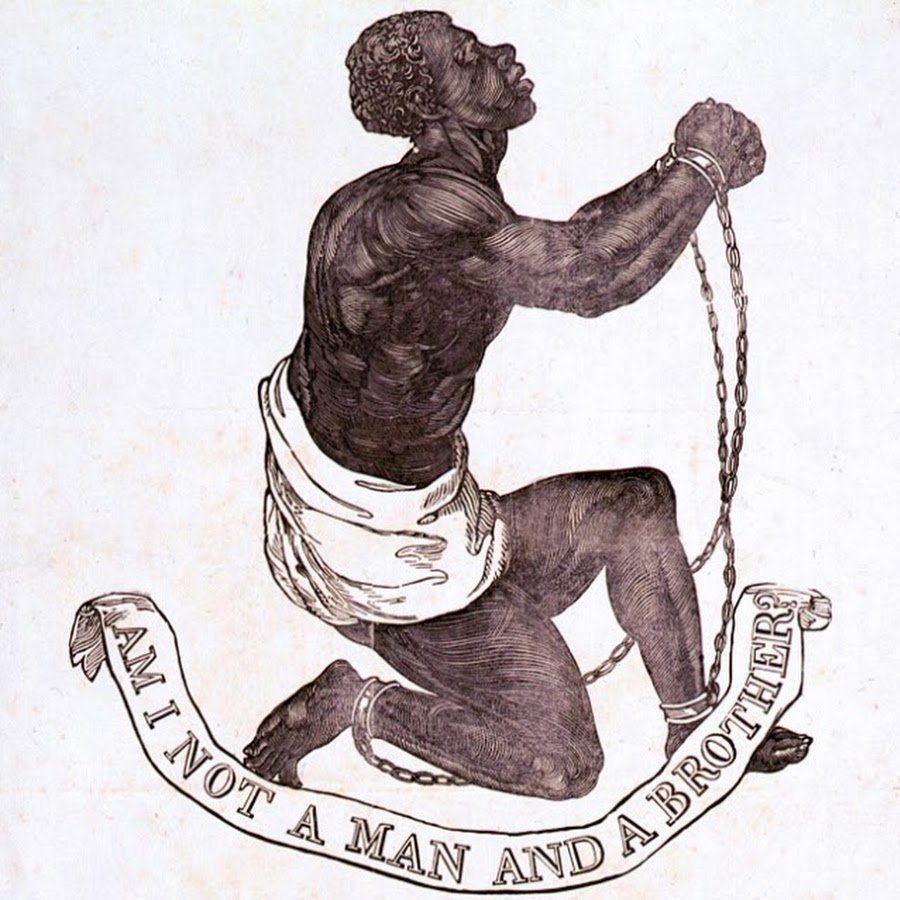
On March 25, 1807, King George III signed the Slave Trade Act into law, making it illegal for British ships to transport enslaved people. This act was the result of a long campaign by abolitionists like William Wilberforce and Thomas Clarkson. The law didn’t end slavery in British colonies right away, but it was a big step towards that goal. It banned British involvement in buying and selling people from Africa. Ships caught breaking this law could be fined £100 for each enslaved person found on board. While the act didn’t free those already enslaved, it helped pave the way for the complete abolition of slavery in the British Empire, which happened in 1833.
Date: 1808 to 1867
Location: Africa, United Kingdom
Category: Slavery
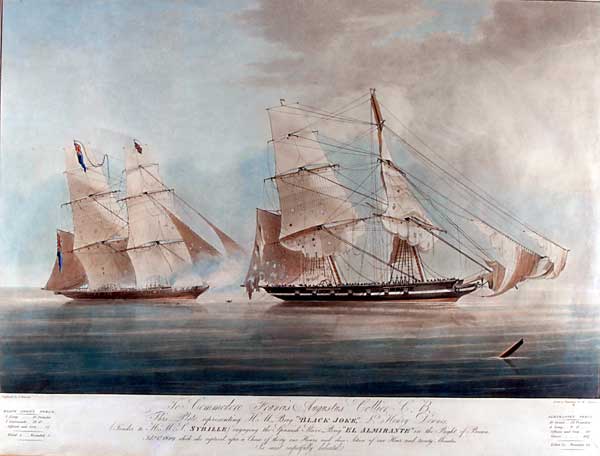
In 1808, the British Royal Navy formed the West Africa Squadron following the Slave Trade Act of 1807. Championed by abolitionists like William Wilberforce, this squadron aimed to suppress the transatlantic slave trade by patrolling West African waters. Between 1808 and 1869, the squadron seized over 1,600 slave ships and freed about 150,000 Africans. Despite these efforts, an estimated 1 million people were still enslaved and transported throughout the 19th century. The squadron’s work influenced international anti-slavery laws and shifted public opinion, though it faced challenges in completely eradicating the trade. This naval campaign represented a significant shift in British policy, from being a leading slave-trading nation to a determined abolitionist power.
Date: April 14-16, 1816
Location: Parish of St Philip, Barbados
Category: Slavery
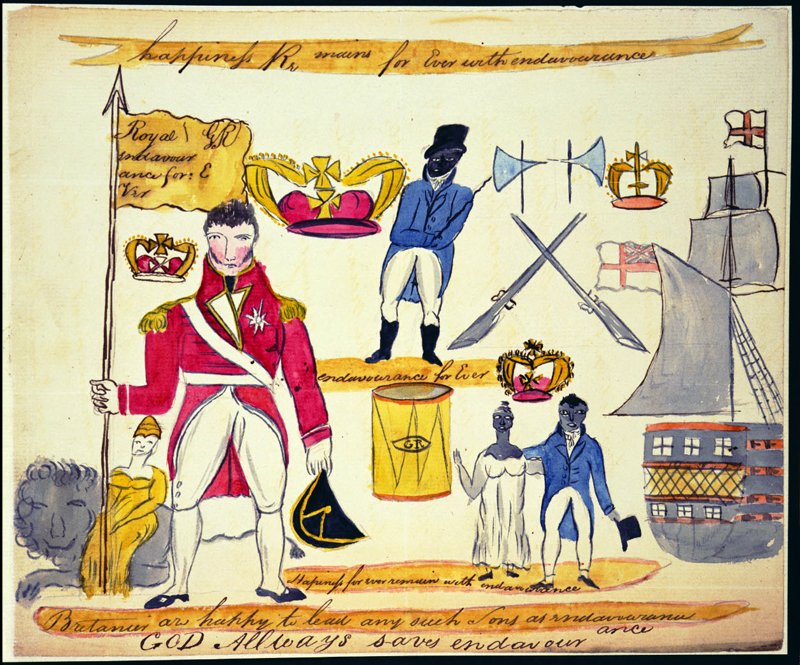
From April 14 to 16, 1816, during the Easter holiday, Bussa led a significant slave uprising in Barbados after the House of Assembly rejected the Imperial Registry Bill in November 1815. This proposed bill aimed to create a registry of enslaved people, tracking births, deaths, and sales. Many enslaved individuals interpreted the discussions around the bill as a sign of possible emancipation. Bussa, an enslaved ranger, organized approximately 400 rebels across several plantations. The two-day revolt involved battles with militia forces and the burning of cane fields. Although quickly suppressed—with Bussa killed and 144 rebels executed—the uprising exposed deep tensions within the colonial slave system and accelerated discussions about emancipation.