
- All
- Africa
- Antigua & Barbuda
- Art & Museums
- Aruba
- Bahamas
- Barbados
- Caribbean
- Carnivals & Festivals
- Colonization & Empire
- Cuba
- Curacao
- Dominican Republic
- Education & Scholarship
- Explorers
- Fashion
- Food & Drink
- Guadeloupe
- Guyana
- Haiti
- Jamaica
- Literature
- Martinique
- Migration
- Montserrat
- Music
- Natural Disasters
- Netherlands
- Notable Figures
- Politics & Government
- Portugal
- Puerto Rico
- Region
- Religion & Spirituality
- Saint Kitts & Nevis
- Saint Lucia
- Slavery
- Spain
- Tourism
- Transportation
- Trinidad & Tobago
- Turks & Caicos
- United Kingdom
- US Virgin Islands
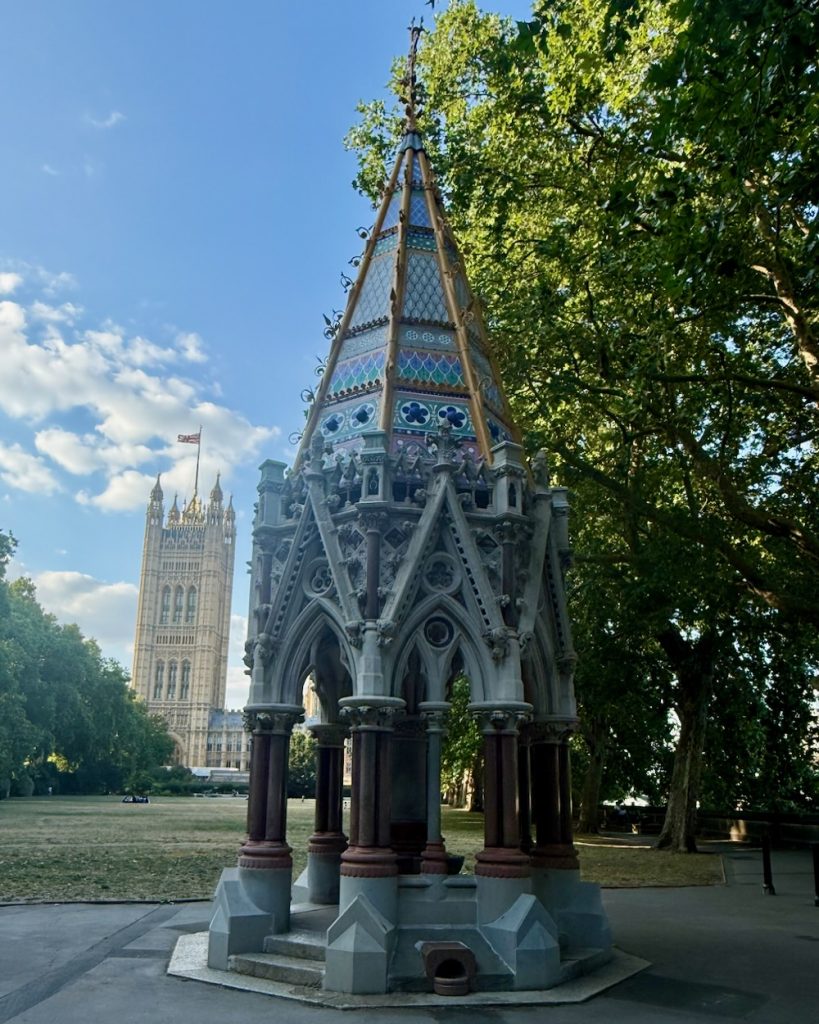
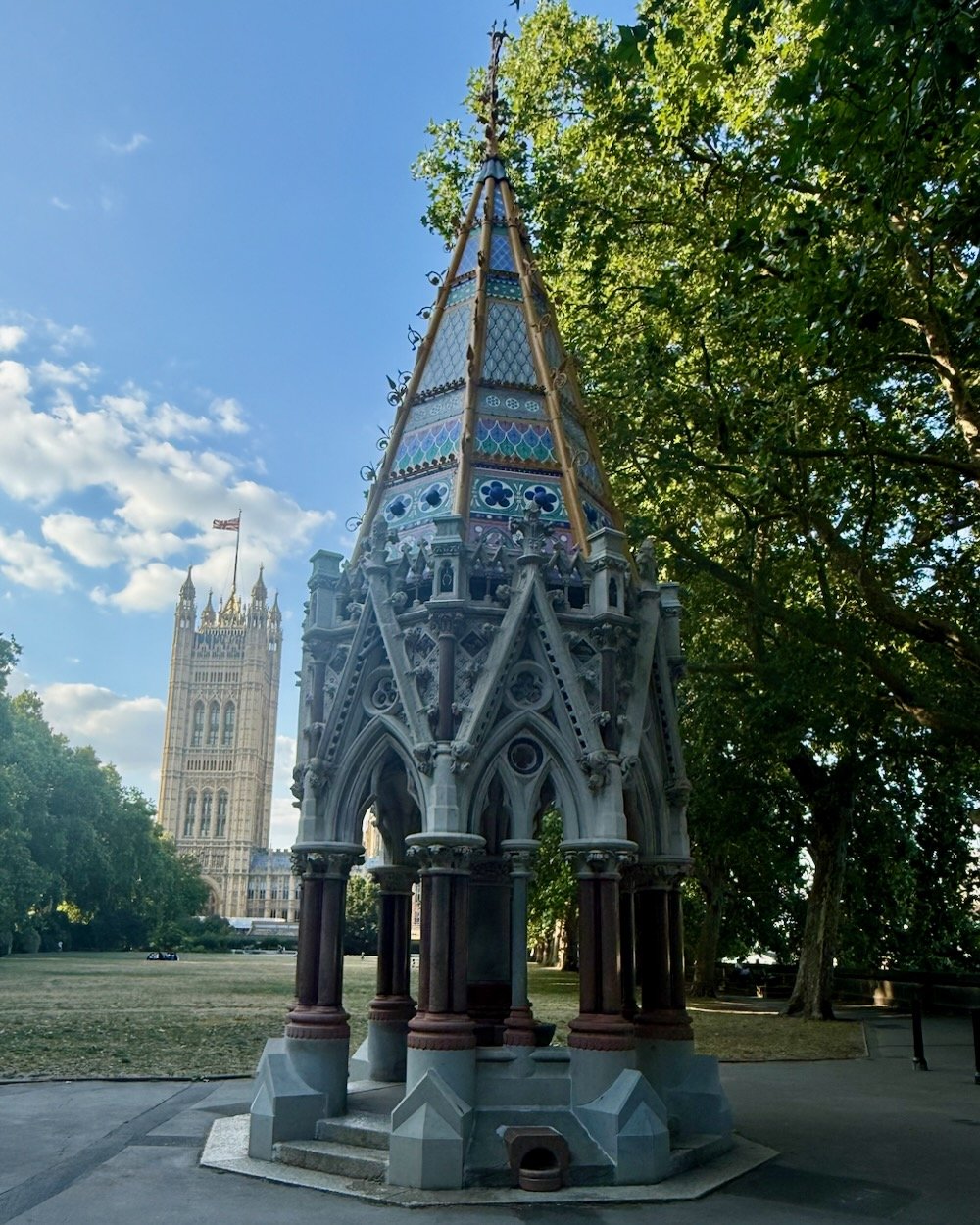
Date: 1865
Location: London, England, United Kingdom
Category: Slavery
Charles Buxton, a Member of Parliament, commissioned the Buxton Memorial Fountain in 1865. This Gothic Revival structure, co-designed by Buxton and architect Samuel Sanders Teulon, honors the abolitionists who advocated to end slavery in the British Empire. The fountain commemorates Charles’ father, Thomas Fowell Buxton, alongside other key figures like William Wilberforce. It marks the passage of the 1833 Slavery Abolition Act, which emancipated slaves across most British colonies. Eight statues of British rulers, spanning from ancient times to Queen Victoria’s reign, adorn the memorial, illustrating slavery’s long history. Initially installed in London’s Parliament Square, it was moved to the Victoria Tower Gardens in 1949.
Date: 1879
Location: Kingston, Jamaica
Category: Education & Scholarship
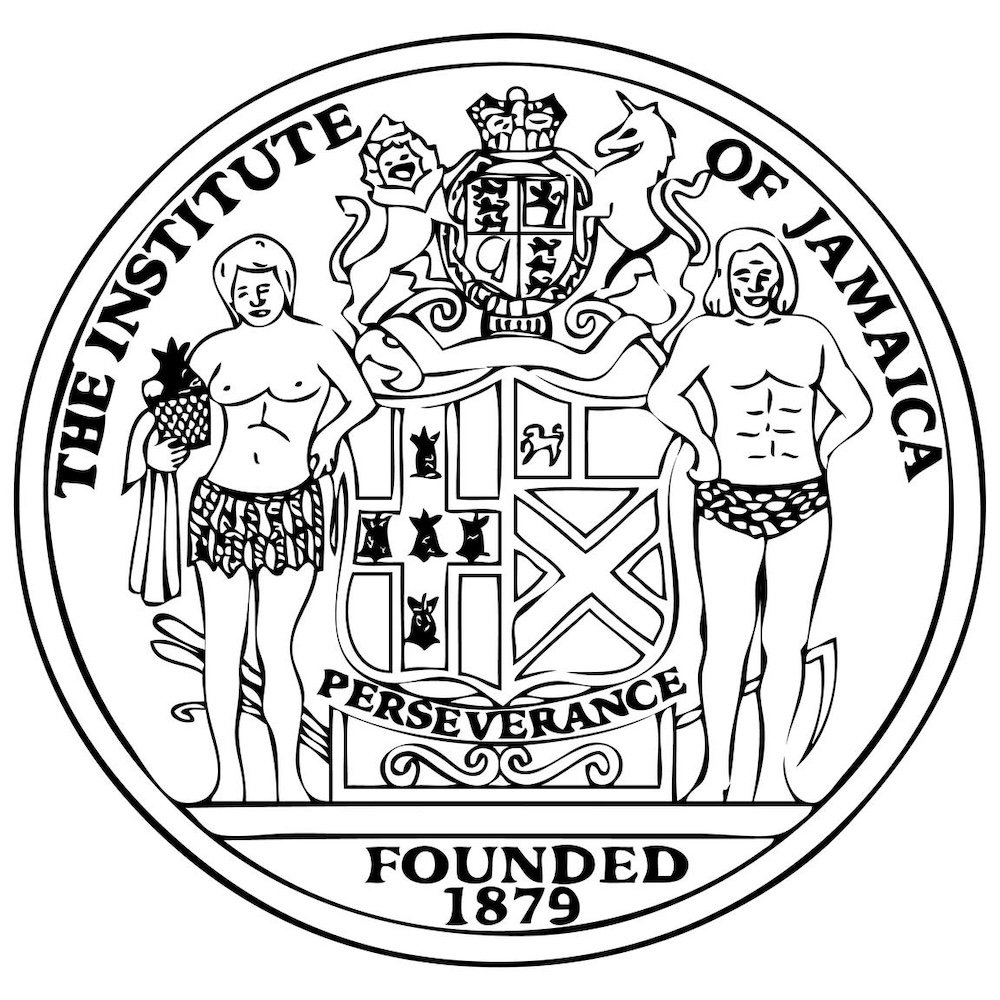
The Institute of Jamaica (IOJ) was founded in Kingston by Sir Anthony Musgrave, then governor of Jamaica, with the mandate “For the Encouragement of Literature, Science and Art in Jamaica.” Established as the country’s premier cultural agency, the IOJ has since become Jamaica’s most significant cultural, artistic, and scientific organization. It serves as a patron and promoter of the arts, sponsoring exhibitions and awards, including the Musgrave Medal (established in 1897). The Institute oversees various cultural divisions including the National Gallery of Jamaica, the African Caribbean Institute of Jamaica, and the Natural History Museum of Jamaica, playing a crucial role in preserving and promoting Jamaican culture and heritage.
Learn More
Date: September 17, 1892
Location: Port of Spain, Trinidad & Tobago
Category: Art & Museums
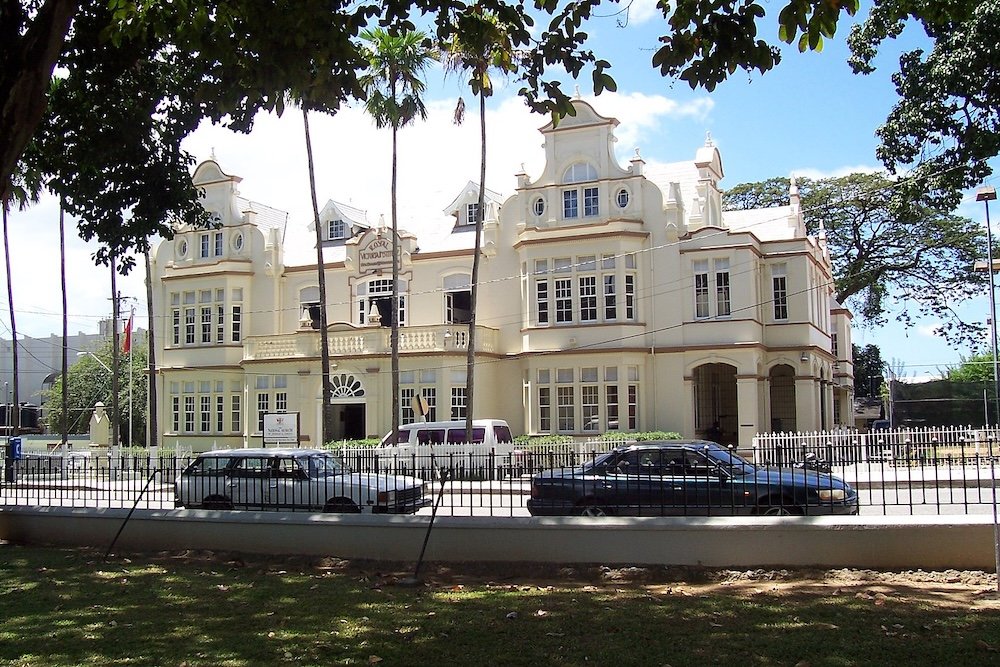
The Royal Victoria Institute opened in Port of Spain on September 17, 1892. Built to honor Queen Victoria’s Diamond Jubilee, architect D. M. Hahn designed the building in a German Renaissance style. At first, it showcased natural history and archaeological exhibits and offered art classes. A major fire in 1920 destroyed much of the interior, but workers rebuilt it, and it reopened in June 1923. In 1945, the government officially designated it as a museum. Now called the National Museum and Art Gallery, it holds about 10,000 artifacts, including paintings by famous local artist Michel-Jean Cazabon. The museum features exhibitions on Trinidad’s rich history and culture.

Date: June 23, 1933
Location: Bridgetown, Saint Michael, Barbados
Category: Art & Museums
The Barbados Museum & Historical Society was founded and established by an Act of Parliament. Initially started as a historical society by Eustace Maxwell Shilstone, it quickly secured a 99-year lease on a former military prison at the Garrison, which became its permanent home. The museum’s mandate is to collect, document, and conserve evidence of Barbados’ cultural, historical, and environmental heritage, and to interpret and present this evidence for all sectors of society. With over 500,000 artifacts, it has seven permanent collection galleries and is now part of the UNESCO World Heritage Site Historic Bridgetown and its Garrison.
Date: 1934
Location: Cárdenas, Cuba
Category: Food & Drink
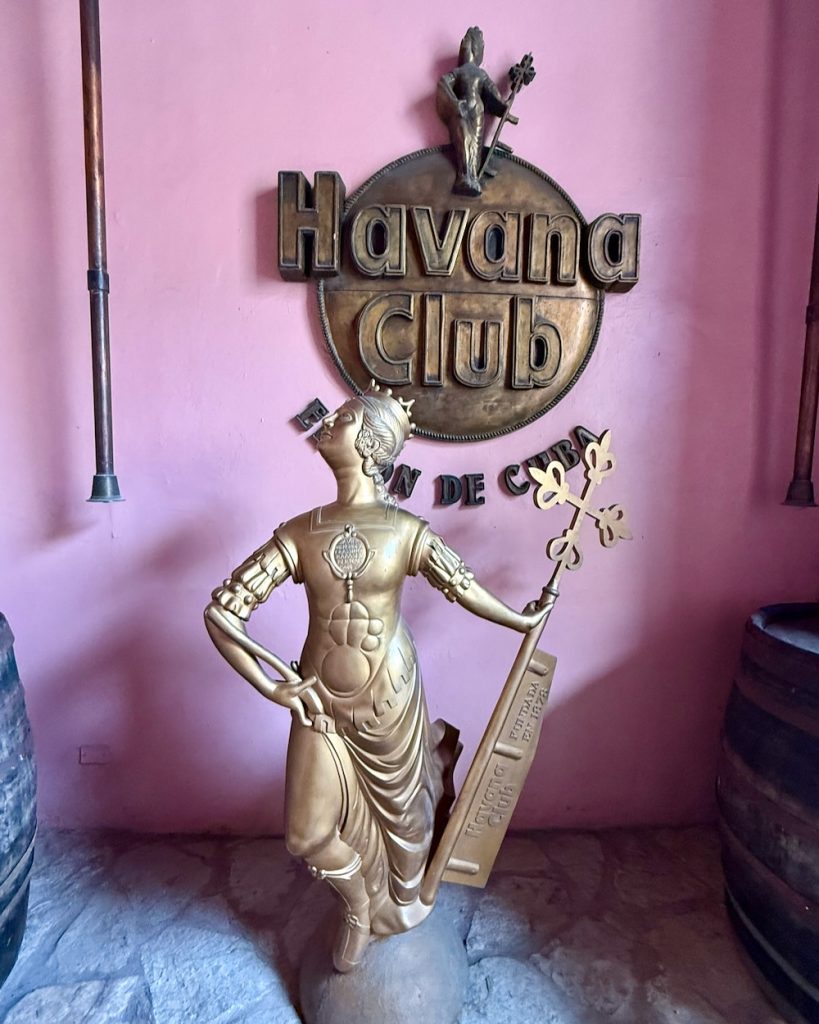
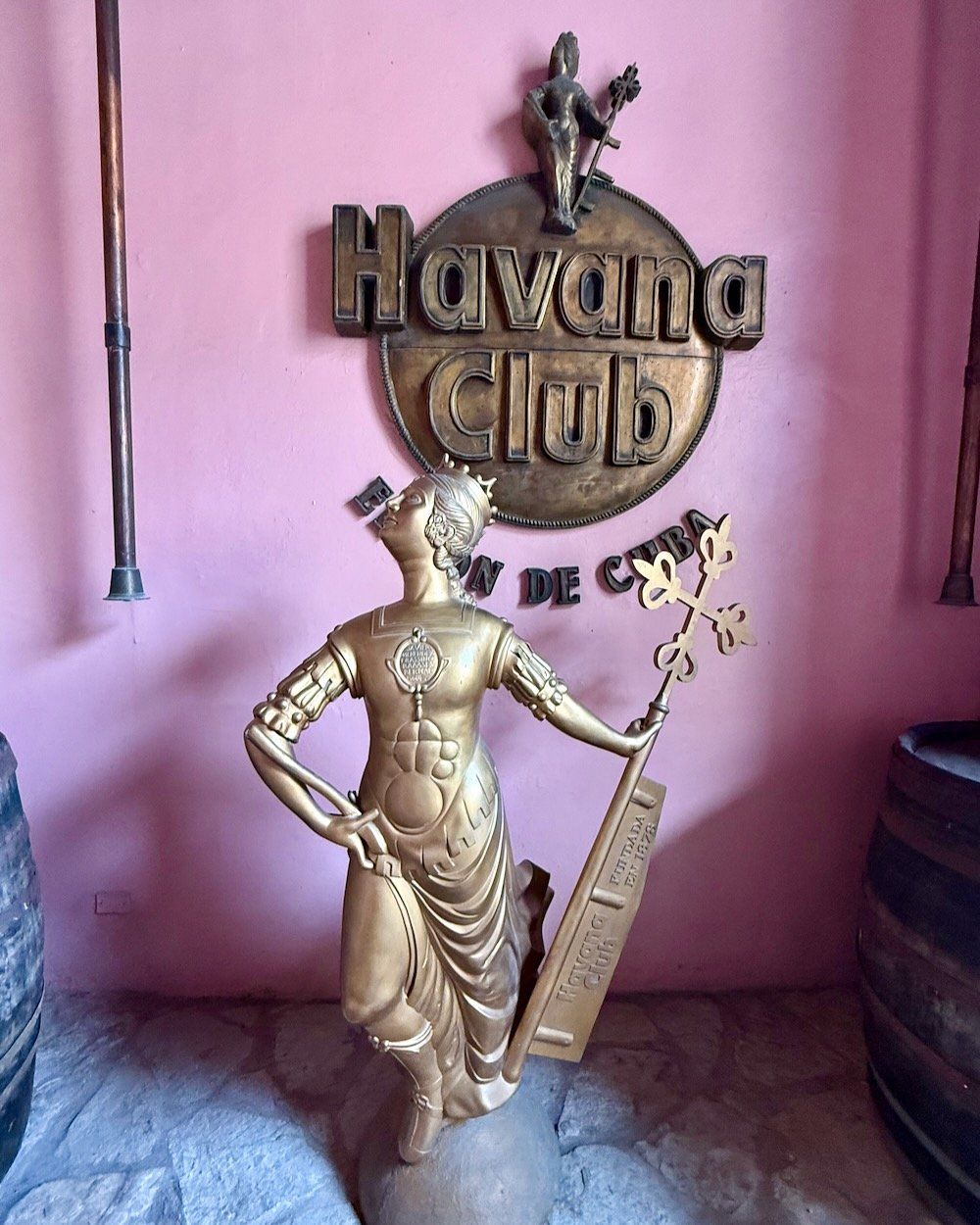
The Havana Club rum brand was launched by the José Arechabala S.A. company, building on its La Vizcaya distillery in Cárdenas that had been operating since 1878. The new brand appeared in 1934, as Arechabala began marketing Havana Club in Cuba and overseas, including to the United States after Prohibition ended. Produced in Cuba and associated with the capital city, Havana Club helped promote Cuban rum as a distinctive Caribbean spirit and added another major player to the island’s rum industry. Over time, the brand’s history became closely tied to wider political and economic changes in Cuba, including nationalization after the 1959 revolution and later international disputes over its ownership.
Date: July 26–29, 1937
Location: Barbados
Category: Politics & Government
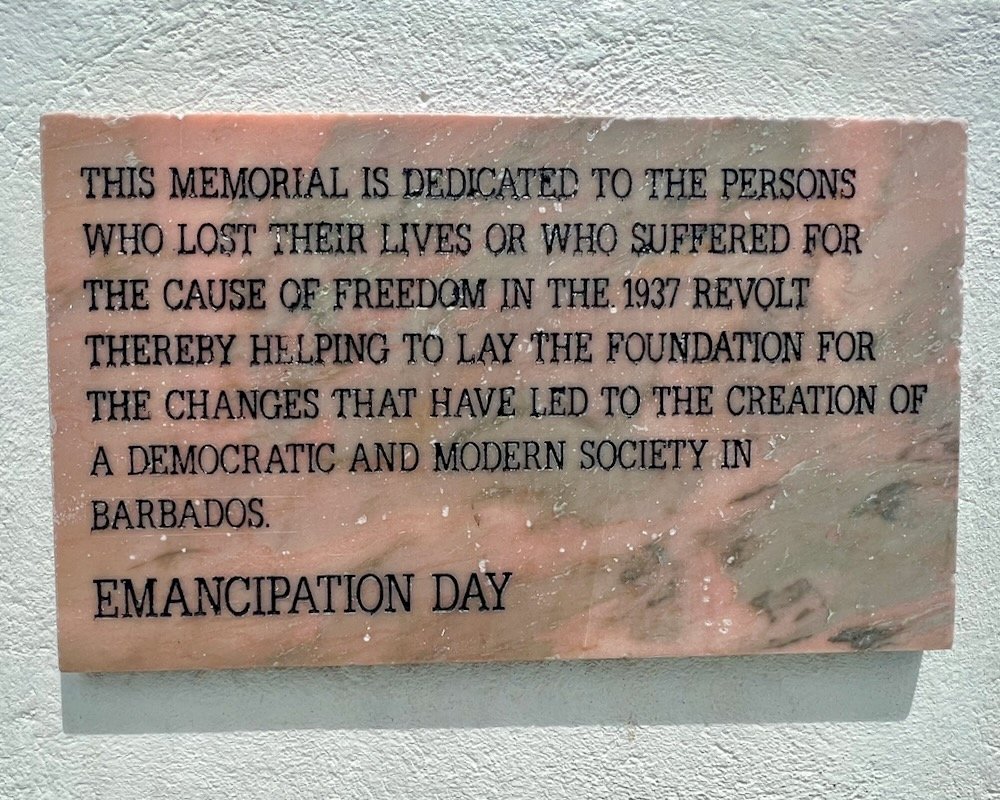
Years of low wages, unemployment, poor housing, and restricted political power erupted after authorities deported labor organizer Clement Payne on July 26, 1937. Crowds gathered in Bridgetown, where protests escalated into several days of unrest. Police gunfire killed 14 people, injured dozens, and was followed by hundreds of arrests. Colonial officials portrayed the protesters as disorderly, while many working-class Barbadians saw Payne as voicing long-neglected demands. The Dean Commission of Enquiry identified deeper economic grievances, and the upheaval helped drive labor reform, expanded political participation, and the rise of modern Barbadian nationalism.

Date: August 1957
Location: Antigua & Barbuda
Category: Carnivals & Festivals, Tourism
Antigua Carnival began in 1957, replacing the island’s Old Time Christmas Festival with a summer celebration. Its organizers drew on longstanding traditions of iron bands, masqueraders, and street parades, while using the new event to attract visitors during the low tourism season. The first Carnival included the Queen of Carnival pageant and a calypso competition, won by Samuel “Styler” Ryan. Antigua Carnival is now a 13-day festival of calypso, soca, steel pan, J’ouvert, traditional mas, and parades.